 E-Paper

Economic Transformation and Vision:
India has experienced a significant positive transformation over the last decade.


Subscribe Now! Get features like


 Prefer HTon Google


India has experienced a significant positive transformation over the last decade.
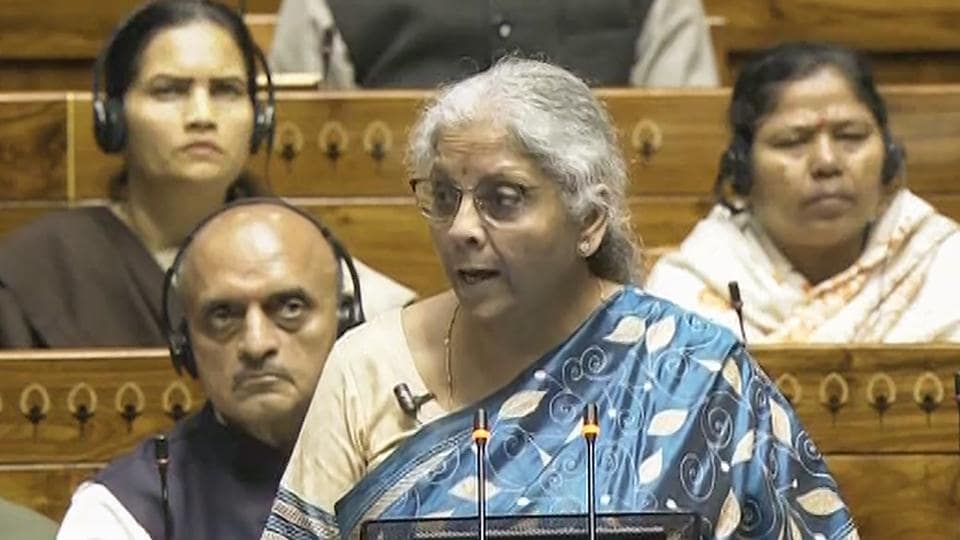
The government, under PM Narendra Modi, has focused on inclusive growth with the mantra "Sabka Saath, Sabka Vikas, Sabka Vishwas".
The introduction of structural reforms and pro-people programs has led to new employment and entrepreneurship opportunities.
Emphasis on targeted development for every household and individual through programs like 'housing for all' and 'har ghar jal'.
Elimination of food worries for 80 crore people and support for farmers through increased minimum support prices.
The government aims to achieve all-around, pervasive, and inclusive development, focusing on the empowerment of the poor, women, youth, and farmers.
The budget outlines a multi-pronged economic management strategy, including infrastructure development, digital public infrastructure, and tax reforms.
The revised fiscal deficit is estimated at 5.8% of GDP for 2023-24, with a goal to reduce it below 4.5% by 2025-26.
India’s G20 presidency and the introduction of the India-Middle East-Europe Economic Corridor as strategic initiatives.
Global challenges like wars, supply chain disruptions, and climate change are acknowledged.
Significant focus on agriculture, with initiatives like Nano DAP and Atmanirbhar Oil Seeds Abhiyan.
Development programs for fisheries, dairy, and the empowerment of women in rural areas.
Emphasis on the youth through education and skill development, support for startups, and sports achievements.
Healthcare initiatives, including expansion of Ayushman Bharat and cervical cancer vaccination.
Massive capital expenditure outlay, development of major railway corridors, and expansion of the aviation sector.
Focus on green energy, including offshore wind energy, coal gasification, and bio-manufacturing.
Promotion of electric vehicles and the establishment of a bio-manufacturing and bio-foundry scheme.
Comprehensive development of tourist centers and infrastructure projects to boost domestic tourism.
Foreign Direct Investment (FDI) inflows marked a significant increase, with continued efforts to attract more foreign investment.
Rationalization of direct and indirect tax rates, including GST, to ease the tax burden and improve compliance.
Proposals to withdraw outstanding direct tax demands for small amounts, benefiting about a crore taxpayers.
The budget sets the foundation for the vision of a 'Viksit Bharat' (Developed India) by 2047, focusing on demographic, democratic, and diversity strengths.
Commitment to national development with new inspirations and resolutions, termed as 'Kartavya Kaal' (Era of Duty).
In conclusion, the Interim Budget 2024-25 reflects the government's continued focus on inclusive growth, economic stability, strategic global positioning, sector-specific developments, environmental sustainability, and tax reforms, with an overarching vision towards a developed India by 2047.


