We are fast approaching the festive season, where apart from having celebrations with friends and family, it is customary, or should I say auspicious to purchase gold or book a property. And, as we know that change is the only constant, are these product categories still relevant? Is it worthwhile to invest in these traditional and tangible asset classes?
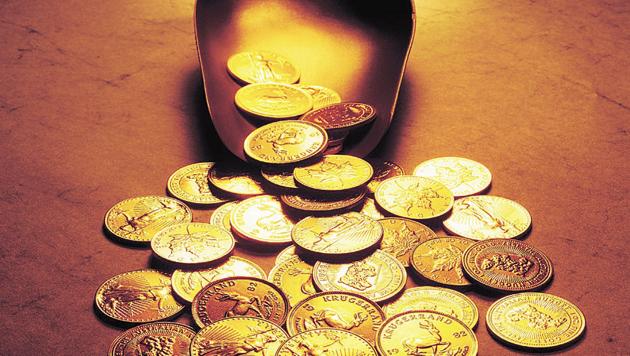
Gold has been looked as an inflation hedge, a safe haven since time immemorial. Over the last many decades, its returns (compounded annualised) has been in the range of 6-7%. Given that so many of us are hit by lifestyle inflation of around 8-9%, it may not make sense to keep investing in gold. Buying it for ornamental reasons or emotional reasons or for your child’s marriage, adds an absolutely different spin and starts making sense.
Investing across various products and diversifying across different asset classes, how, when and how much to invest, the spending habits, writing a will, taking a loan (for needed and unneeded stuff), budgeting one’s expenses, purchasing a pure insurance product, are all done at a human level and, clients’ behaviour, his past experiences, childhood memories about money and it’s uses and, his ability to understand risk are more emotional than logical.
Benjamin Graham has very rightly said, “The investor’s chief problem, and even that of his worst enemy, is likely to be himself.” We tend to make most such decisions habitually, as is said, “We make habits and then they make us”. In my experience, my key role as a financial planner is to keep nudging the client towards what he needs (especially in terms of necessity of taking risk to earn returns in excess of inflation and taxes), keep reminding him to be patient on long-term equity investments, urging him to be diligent on his investing habits and disciplined on his spending habits, to emphasise the priority of his various goals, make aware on the fact that while loans are easy to take, they are tough to pay back.
{{/usCountry}}Benjamin Graham has very rightly said, “The investor’s chief problem, and even that of his worst enemy, is likely to be himself.” We tend to make most such decisions habitually, as is said, “We make habits and then they make us”. In my experience, my key role as a financial planner is to keep nudging the client towards what he needs (especially in terms of necessity of taking risk to earn returns in excess of inflation and taxes), keep reminding him to be patient on long-term equity investments, urging him to be diligent on his investing habits and disciplined on his spending habits, to emphasise the priority of his various goals, make aware on the fact that while loans are easy to take, they are tough to pay back.
{{/usCountry}}Another tangible and popular asset class is real estate. We need to remember that popularity may not necessarily be a sign of credibility. The great returns which we saw in this asset class from 1999/2000 to 2009/2010 may not be repeated any time soon. On the contrary, there are factors (still crazy valuations, incomplete projects, cash crunch among builders, oversupply of residential units) which suggest that this asset class could go southwards in purchase price sometime soon. Most people dream (and may often execute) buying a house bigger than what they can afford or than what they may need.
Buying a decent house (read 2BHK) in most cities will often require an outside monetary help in the form of a home loan, leading to insufficient funds to invest for other key goals such as starting an enterprise or funding children’s higher education. The house one purchases to stay in is actually not an investment as it’s a personal asset and buying a huge one may enslave you to a rat race longer. It would be better off staying on rent. In any case, rent or interest paid on the home loan are sunk cost. Also, buying a property for investment purpose and putting it on rent would have a poor rental yield.
Deepali Sen is a certified financial planner and founder partner of Srujan Financial Advisers LLP.