With the economy in the grip of a slowdown and questions over India’s GDP calculations, a new study suggests that another component of GDP measurement may also be distorted. According to an Economic and Political Weekly study by Jayanta Kumar Mallik of the Reserve Bank of India, the current method of measuring gross capital fixed formation (GFCF), which is regularly used as a proxy for investment activity, needs more scrutiny and could be biasing overall GDP growth estimates.
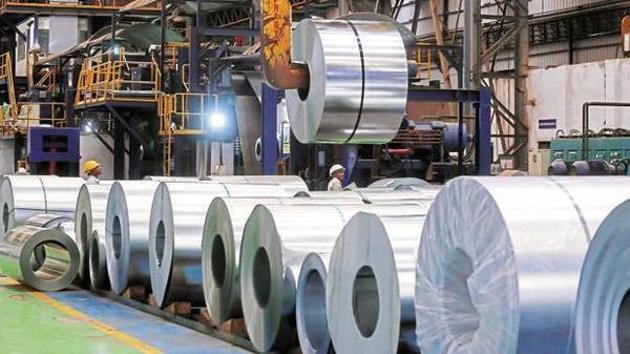
According to Mallik, GFCF as estimated by the Ministry of Statistics and Programme Implementation (MOSPI) is heavily swayed by a single factor: the price of steel.
He argues that the estimates of pucca construction, which form the main building block of gross fixed capital formation (GFCF), are prepared from limited information on “basic” construction material and use of improper weights.
Iron and steel, with two-thirds of the weight assigned to basic construction material, occupies a key position in the estimation and because of this, the impact of the increase in steel prices is likely overplayed in the calculation of GFCF. Mallik shows how changes in GFCF track the movement in steel prices. For instance, steel prices surged between 2003-12, a period when investment rates increased and declined during 2012-17 when investment rates correspondingly fell. He argues that the inflated growth in GFCF created an upward bias for GDP growth estimates in 2003-12 while there was a downward bias for the 2012-17 period.
According to Mallik, excluding GFCF from GDP results in a more regular pattern of GDP growth. He concludes that India needs to pursue policies that facilitate business activity and use better methods to measure this activity.
{{/usCountry}}According to Mallik, excluding GFCF from GDP results in a more regular pattern of GDP growth. He concludes that India needs to pursue policies that facilitate business activity and use better methods to measure this activity.
{{/usCountry}}