State Bank of India, the country’s largest lender, has reduced its one-year marginal cost of fund based lending rate (MCLR) by 5 basis points (bps) to 8.50% per annum from 8.55% per annum effective Wednesday. This is the first MCLR cut since November 2017.
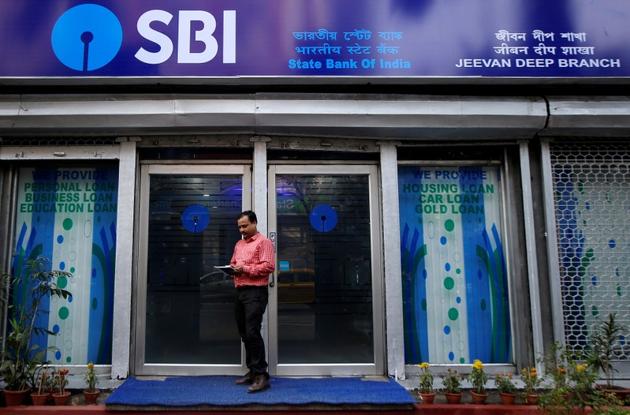
Most SBI retail loans, including home loan, car loan and personal loans, are currently linked to one-year MCLR. One basis point is one hundredth of a percentage point. The impact of a 5 bps rate cut on ₹50 lakh loan for a 20-year tenure will mean a marginal saving of ₹38,500.
SBI’s marginal rate cut of 5 bps comes after the Reserve Bank of India’s (RBI) consecutive rate cut by 50 bps in the February and April monetary policy. For loans up to ₹30 lakh loan, SBI has reduced the interest rate by 10 bps which will now range 8.60%-8.90% from 8.70%-9.00%. Here along with the 5 bps cut in MCLR, the bank has reduced the spread, or the margin above the benchmark rate, by 5 bps from 15-45 bps to 10-40 bps.
In February, as well, the bank had reduced the spread on home loans by 5 bps. From May 1, the bank will also pass on the effective repo rate cut to its short-term loans and savings deposits above ₹1 lakh. This means if you have a balance above ₹1 lakh, your savings deposit interest rate will come down from 3.50% to 3.25% per annum.
{{/usCountry}}In February, as well, the bank had reduced the spread on home loans by 5 bps. From May 1, the bank will also pass on the effective repo rate cut to its short-term loans and savings deposits above ₹1 lakh. This means if you have a balance above ₹1 lakh, your savings deposit interest rate will come down from 3.50% to 3.25% per annum.
{{/usCountry}}Also read: SBI cuts lending rates, home loans to get cheaper
Analysts attribute the rate cut to the linking of external benchmark repo rate to short term loans and savings deposit. “Since certain part of the deposit is linked to repo, typically the bank’s cost of funds reduces and that benefit has been passed on the lending side. In case of other banks, unless they voluntarily change the deposit rate, which is difficult since there is a low deposit growth, it is unlikely they will cut rates,” said Hatim Broachwala, analysts at IDBI Capital.
SBI is not the first public sector bank to cut rates. Indian Overseas Bank and Bank of Maharashtra have also reduced their MCLR by 5 bps each. According to him, the chances of rate transmission are higher before elections. “Government may try to ask public sector banks to cut rates as a political move. PSU banks may oblige but private banks won’t do so,” said Broachwala.
What it means for you?
Since April 1 2016 after MCLR came into effect, your loans get reset every year if it is linked to one-year MCLR and every six months if linked to six-month MCLR. Hence, if you are an existing borrower and if your reset clause is in May, you are likely to benefit marginally. If it is in January, you will have to wait for a year.
If you are planning to borrow, you should opt for loans linked only to MCLR and without a spread or lower spread because the spread on your loan will not change during the entire tenure of the loan. If you are planning to transfer loan, calculate the cost of total loan amount after factoring other charges such as processing charges and administrative cost. Only if your savings are higher make the switch.