
 E-Paper



Govt to introduce rules for regulating pet trade, breeding centres
The government will soon bring in rules to regulate the Rs 800 crore pet business in India that will require permissions from notified agencies to run pet shops and commercial breeding centres.


The government will soon bring in rules to regulate the Rs 800 crore pet business in India that will require permissions from notified agencies to run pet shops and commercial breeding centres with powers to impose penalty on violators.
The new rules also prescribe birth control, fertility rate and hygiene norms for pet dogs.
The law ministry last week allowed the environment ministry to notify the rules regarding pet shops, dog breeding and aquarium fish breeding under the Prevention of Cruelty to Animal Act, four years after it had said that the ministry had no such powers.
The ministry had notified draft rules in 2010 but the law ministry’s confidential opinion stating that the regulation was in violation of the law prevented the ministry from making them law of the land. The note was accessed by animal rights activists under Right To Information Act.
It was only after the Law Commission’s recommendation in August 2015, stating that the environment ministry had powers to regulate pet trade, that the law ministry changed its opinion. “We have sent draft of the rules to the environment ministry for final notification,” a law ministry official said.
Gauri Maulekhi of People for Animals (PFA) termed the law ministry’s change of stand as a victory after a long battle in which several animal rights organisations submitted representations to the Law Commission despite opposition from the ministry.
“One Ex-Officio Member, Shri PK Malhotra, law secretary, has expressed his view that ‘it may not be appropriate on the part of the Law Commission to give any report on the subject’ as the department of legal affairs is reviewing its advice given in 2012 on the matter,” said AP Shah, commission’s chairman to the law minister Sadananda Gowda.
According to a government estimate, pet business in India was worth Rs 800 crore every year with a growth of about 20%. There are estimated to be around 37 lakh pet shops in India with around 450 in Delhi alone. As the entire business is unregulated and is growing, pets are now being offered online with delivery at home.
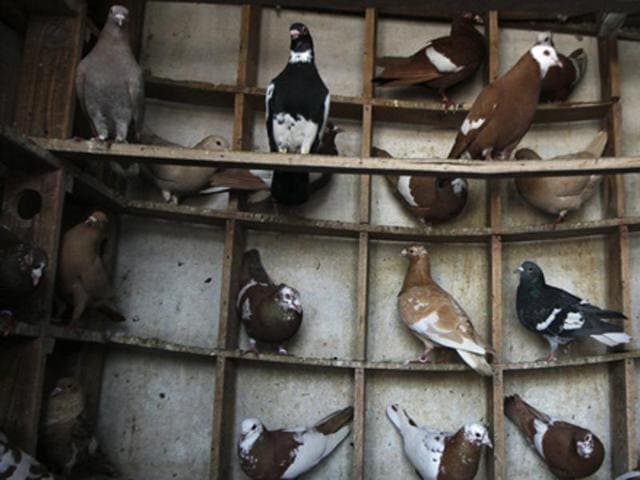
There is a startling statistic about the pet trade in India. For every bird sold in the market two die, the Law Commission said. Maulekhi added that the way many of the shops handle animals and birds is cruel, totally unscientific and don’t even register with a local vet.
The environment ministry officials assured that it will change soon with pet shop owners having to get registered with local municipal body and commercial breeders with the Animal Welfare Board of India.
The rules also provide detailed procedure for breeding of dogs, saying no breeder will breed more than one kind of dog and it should be done after a health check-up. A bitch will litter only once a year and will not give birth to more than four puppies in their life span. The age for breeding prescribed is 18 months.
The rules also said breeders will have to provide all records of breeding which will have to be provided to the buyer. The rules allow municipal bodies to cancel licenses and impose fines in case of violations of the new norms.


