
 E-Paper



It's moral responsibility of banks to follow SEBI insider trading norms: Tuhin Kanta Pandey
In July, IndusInd Bank CEO and deputy CEO were found to be in violation of SEBI's insider trading norms involving the lender's derivatives portfolio.

 Prefer HTon Google


It's the “moral responsibility” of bank managements to follow SEBI's insider trading regulations, Chairman Tuhin Kanta Pandey said on Wednesday.
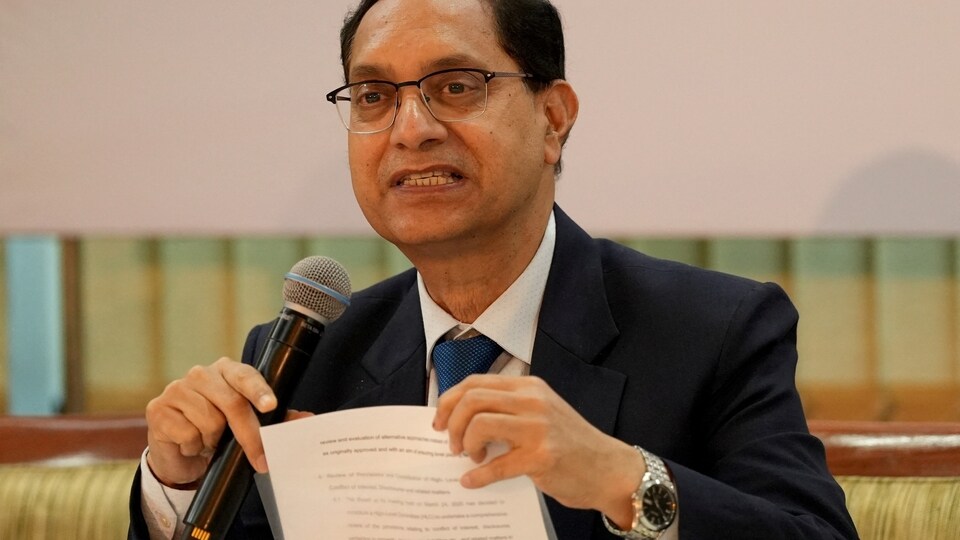
“Insider trading risks thrive where controls are weak, where processes are unclear, responsibilities are undefined, and oversight is inconsistent,” Pandey told managing directors and chief executives of listed banks in Mumbai on
Pandey's comment comes against the backdrop of SEBI issuing an interim order in June against Indusind Bank Ltd. for violating insider trading norms. India's market regulator had found that the lender's MD & CEO as well as deputy CEO allegedly traded in IndusInd Bank stock while is possession of unpublished price-sensitive information involving the bank's derivatives portfolio.
Pandey urged banks to place the highest priority on safeguarding unpublished price-sensitive information. Even casual or informal sharing in meetings or over email, he warned, should be considered a serious breach.
“A single leak can travel across digital networks in seconds, and there is no way to undo the damage to stock prices, to investor confidence, or to your bank’s reputation,” he said.
Banks, according to the SEBI chairman, shoulder dual responsibilities—that of a listed company as well as a custodian of sensitive information of other listed companies.
Another key area of focus, according to Pandey, is the role of the compliance officer under the Prohibition of Insider Trading. A compliance with the regulations is not just a legal obligation but it is a moral responsibility.
This role should never be symbolic. Boards must ensure that the compliance officers are fully empowered with authority, training, tools, and clear backing from leadership to enforce regulations effectively.
“Above all, never bypass the compliance officer's oversight,” he said.
Also, Pandey called on banks to leverage technology for stronger compliance. Automated trading window management, centralised pre-clearance and disclosure portals, and digital training and certification platforms can significantly reduce compliance risks.
Technology solutions should be developed to monitor trades during sensitive periods that trigger trading window closures but may not yet be covered by automated systems. Such measures, he noted, would reduce the burden on compliance teams.


