
Sign in

Prepaid instruments from banks, non-banks can be used to pay for public transport systems: RBI

The instructions come into effect immediately, as per RBI.

Published on: Feb 23, 2024, 19:30:09 IST
By , New Delhi
Share
Share via
  • facebook
  • twitter
  • linkedin
  • whatsapp
Copy link
  • copy link

Prepaid payment instruments (PPIs) managed by both banks and non-banking institutions can now be used to make payments for public transport systems, the Reserve Bank of India (RBI) announced on Friday.
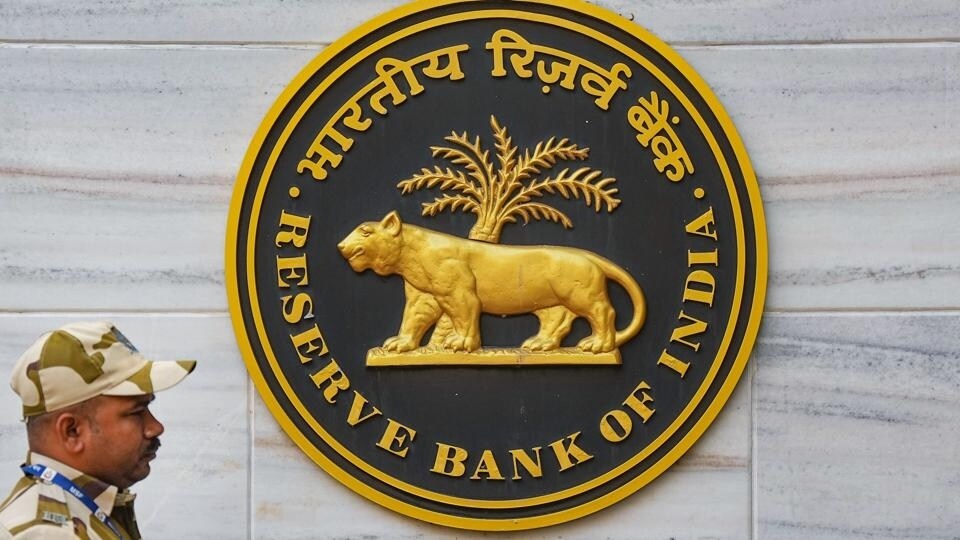
A security official walks past an emblem of the Reserve Bank of India at the RBI headquarters, in Mumbai (PTI FILE)

“Public transport systems across the country cater to a multitude of commuters on a daily basis. To provide convenience, speed, affordability, and safety of digital modes of payment to commuters for transit services, it has been decided to permit authorised bank and non-bank PPI issuers to issue PPIs for making payments across various public transport systems,” the RBI said in a notification.

The instructions come into effect immediately, the central bank added.

What are prepaid payment instruments?

In 2021, RBI issued ‘Master Directions’ on PPIs. As per these, PPIs are ‘instruments that facilitate the purchase of goods and services, financial services, remittance facilities, etc., against the value stored within.’

Instruments that need RBI's approval/authorisation before being issued are classified under two categories: small, and full -KYC.

Small PPIs are financial tools administered by banking and non-banking bodies upon submission of basic information by the holder. These are exclusively deployed for procuring goods and services without the option for fund transfer or cash withdrawal.

Full-KYC (Know Your Customer) PPIs, on the other hand, are distributed by comparable institutions following a substantive KYC process involving the holder. Unlike their small counterparts, however, these permit fund transfer and cash withdrawal, in addition to catering to purchasing goods.

  • HT News Desk
    ABOUT THE AUTHOR
    HT News Desk

    Follow the latest breaking news, major developments and agenda-setting stories from India and around the world with the newsdesk at Hindustan Times. Operating round the clock, the desk brings together experienced editors, reporters and correspondents to deliver fast, accurate and contextual reporting across subjects that influence public policy, governance, business, society and international affairs. The HT News Desk covers politics, elections, government policies, the economy, business and markets, science and technology, the environment, law and order, infrastructure, education, climate issues and geopolitics, while closely tracking developments across states, institutions and global capitals. The team also leads coverage of major breaking news events, policy announcements, court proceedings, natural disasters, public emergencies and significant international developments. Reports published by the newsdesk are based on information gathered from reporters on the ground, official statements, government agencies, court records, regulatory filings, recognised institutions and other authoritative sources. Stories undergo editorial scrutiny and verification processes to ensure accuracy, fairness and relevance, and are updated as events evolve and additional information becomes available. Whether covering a key political decision in New Delhi, an economic policy shift affecting millions, a landmark court ruling or a major global event, the HT News Desk aims to provide readers with reliable, fact-based journalism that delivers not only the latest developments but also the context and analysis needed to understand their wider implications.Read More