Germany’s ruling coalition struck a deal to reduce generous subsidies for electric vehicles starting next year as demand keeps rising, ending a months-long dispute between the Free Democrat-led finance ministry and the Greens.
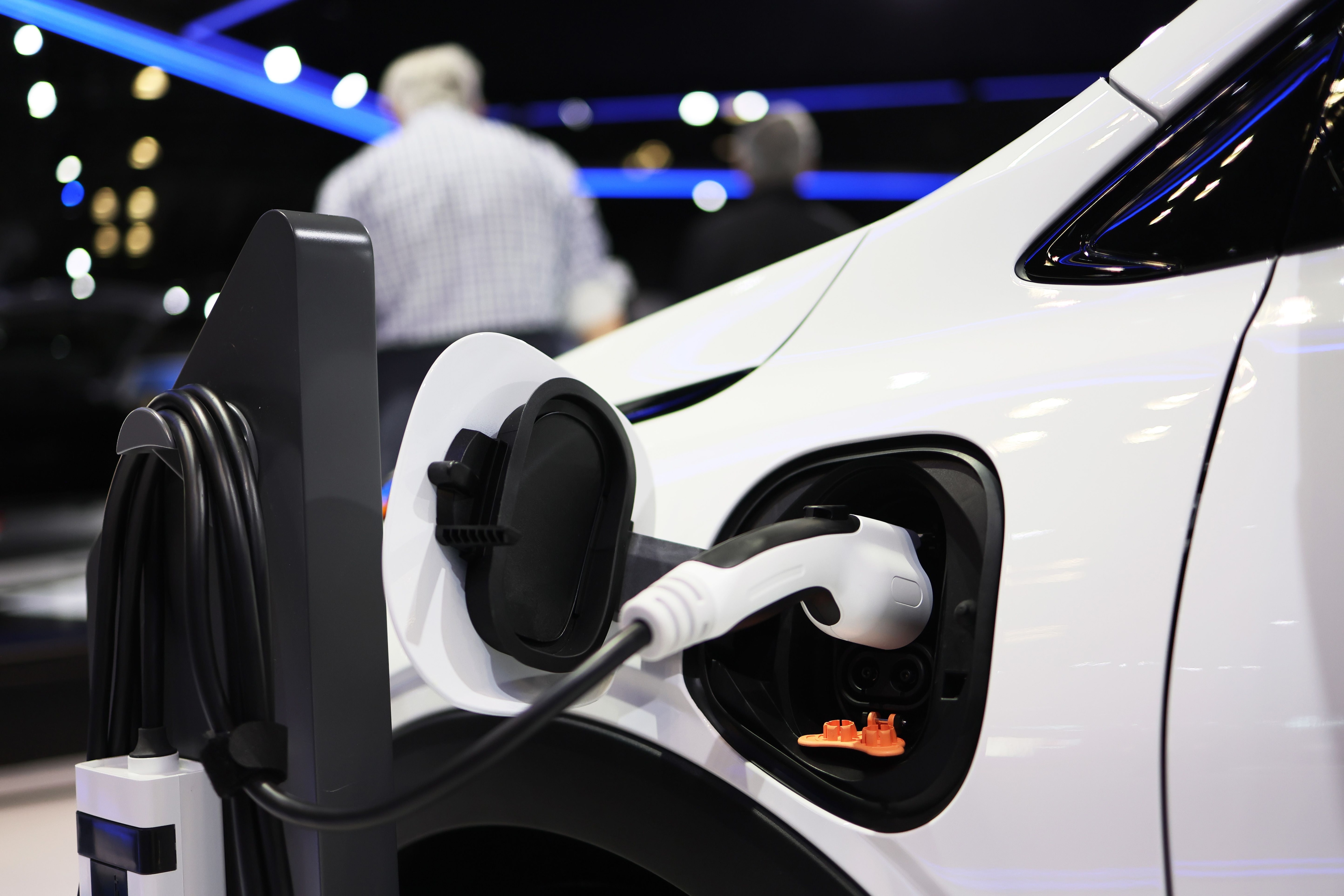
The agreement cuts a cash bonus for e-vehicles costing less than 40,000 euros ($40,500) to 4,500 euros from 6,000 euros, according to a German official. Cars with a price tag of more than 40,000 euros will get a smaller subsidy, while those sold above 65,000 euros will receive no bonus at all going forward.
The government has earmarked 2.1 billion euros for the program for 2023 and 1.3 billion euros for 2024, according to the official. Sales incentives for plug-in hybrids will cease at the end of this year.
From 2024, the bonus will drop to 3,000 euros and will only be granted for cars costing less than 45,000 euros. The government also plans to exclude business vehicles and rental cars from the bonus scheme starting in Sept. 2023.
German finance minister Christian Lindner has long sought to abolish the vehicle subsidies. He also aims to restore a constitutional borrowing limit next year, a goal that could require cost cuts as the government seeks to support households and companies hit by surging energy costs.
{{/usCountry}}German finance minister Christian Lindner has long sought to abolish the vehicle subsidies. He also aims to restore a constitutional borrowing limit next year, a goal that could require cost cuts as the government seeks to support households and companies hit by surging energy costs.
{{/usCountry}}Industry officials criticized the planned subsidy cuts. Hildegard Mueller, the president of the VDA car lobby, said in a tweet that the move represented a “devastating” sign for consumers and would slow progress toward climate-neutral mobility.