
 E-Paper



Animals, staff at receiving end as SPCA ‘starved’ in tussle with admn
Animals at the hospital-cum-shelter being run in Sector 38 (West) by the NGO, Society for Prevention of Cruelty to Animals (SPCA), are in a pitiable condition as the NGO struggles to stay afloat in the absence of government grants.


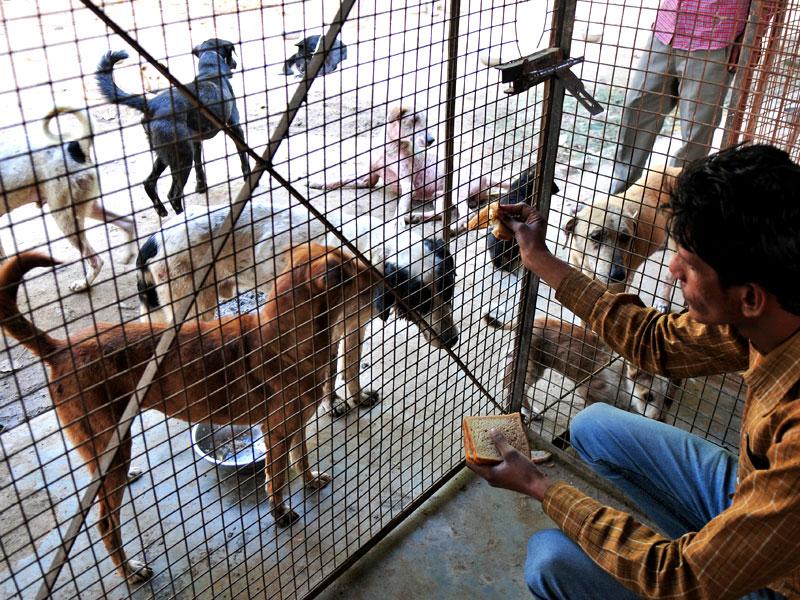
Animals at the hospital-cum-shelter being run in Sector 38 (West) by the NGO, Society for Prevention of Cruelty to Animals (SPCA), are in a pitiable condition as the NGO struggles to stay afloat in the absence of government grants. The two doctors have left and the rest of the staff — 13 in all — also remain unpaid for 4-5 months but continue to at least feed the handicapped and blind animals, besides providing some basic care.
Grants to the SPCA — established in 1986 and virtually running under the patronage of the UT administration — remain stopped after a new governing body was elected in August last year. This had been done after allegations of misuse and misappropriation of funds within the SPCA, which got around Rs 60 lakh in grant in the past around four years. The administration has even gone ahead and formed its own body, ‘Society for Welfare of Animals’, headquartered adjacent to the SPCA shelter.
As per the latest official data available, the SPCA got Rs 11 lakh in 2011-12, Rs 22 lakh in 2012-13, another Rs 25.6 lakh in 2013-14, and Rs 10 lakh this fiscal, before the funding was suspended. Jasbir Ralhan, president of the SPCA, has said the group that lost the election had made false allegations of embezzlement of funds.
Now, liabilities are around Rs 13 lakh, according to Ralhan. Some money and public donations in cash and kind go into the basic upkeep of the building and food and medicines for animals. “We are hardly able to sustain ourselves without government funding,” he said, offering that the administration should take over the SPCA “provided they also take over the liabilities”. He said he had earlier made the offer but withdrew it “once I was told that liabilities would have to be cleared by the current governing body”.
That proposition has been rejected by the administration, which is even citing a 2001 notification of the Union government to take over the SPCA’s name now. “The SPCA is a private body and its liabilities are to be paid by it. That’s simple,” said an official bluntly, refusing to be named.
The shelter has 25 dogs, many of them blind; 16 handicapped birds; and over 20 large animals such as cows. No new admissions are being made, said SPCA’s staff at the shelter.
Of the two doctors who were on salary, one left around a month ago, while another left last week. Two trained helpers are now carrying out the basic care, said SPCA staff deputed at the shelter. “But it would obviously be hard for us to continue without salary any longer,” several of the staff told HT.
“We won’t give up, and will continue to try and raise funds. But it is best if there is a clear-cut probe into the allegations of fund misuse, and the society can function too,” Ralhan said.


