
 E-Paper



Chandigarh’s PGIMER activates 21 phone lines for strengthening referral system among city hospitals
The doctors from PGIMER will talk to the nodal officers/doctors of the respective hospitals and in case it is felt that the patient can be treated or managed in the respective healthcare facility and doesn’t require any advanced immediate intervention

 Prefer HTon Google


To streamline the referral system among the city hospitals, Post Graduate Institute of Medical Education and Research (PGIMER) has activated department-wise phone lines, which will function directly under the department heads of the institute.
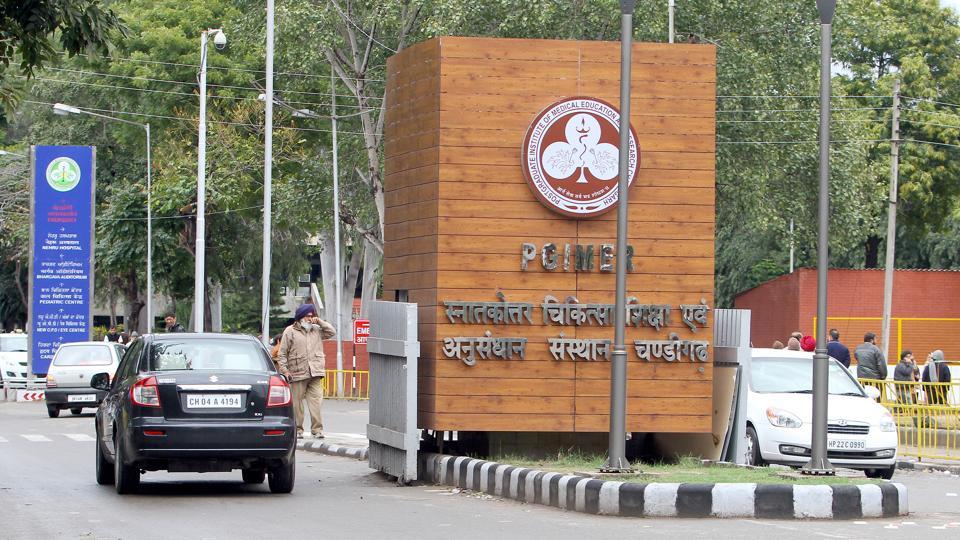
The UT health authorities and PGIMER officials had earlier decided to develop a protocol for the referral system, with the focus to optimally utilise the resources and mutually consult and unanimously take a call whether a patient needs to be treated and managed in the healthcare facility of the respective hospital or any immediate intervention is required at PGIMER.
“Department-wise, 21 numbers have been activated for the better management of patient referrals among UT hospitals which include PGIMER, Government Medical College and Hospital, Sector 32, and Government Multi-Speciality Hospital, Sector 16. The given numbers are being shared with the officials concerned of these hospitals,” Dr AK Gupta, medical superintendent of the PGIMER, said.
In a fresh order, the department heads of the internal medicine, pulmonary medicine, neurology, nephrology departments, among 21 others, have been asked to ensure the availability of the on-call consultants for that purpose.
The doctors from PGIMER will talk to the nodal officers/doctors of the respective hospitals and in case it is felt that the patient can be treated or managed in the respective healthcare facility and doesn’t require any advanced immediate intervention.
The UT administrator had also ordered that a protocol should be finalised for admission of patients after the director of the institute had raised an issue stating that majority of the patients could be catered in other hospitals as well, which in the present manner, were crowding the institute’s infrastructure.


