
 E-Paper



Amritsar jail inmates stitching face masks to meet shortage in hospitals
A jail official said they have already stitched around 6,000 face masks and will continue to do so till Covid-19 is contained


Those who were caught on the wrong side of the law are now doing their bit to help the fellow countrymen keep the coronavirus at bay. Inmates of Amritsar Central Jail have already stitched around 6,000 face masks and will continue to do so till Covid-19 is contained, a jail official said.
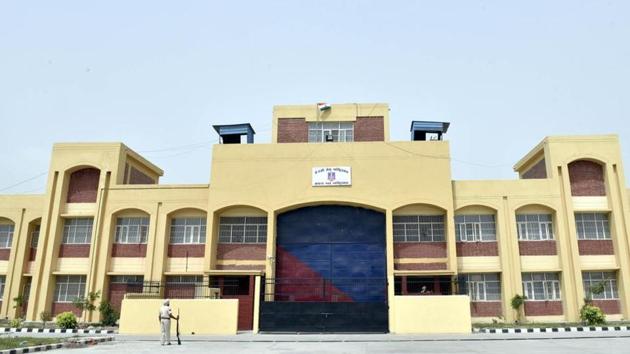
Among those who are spending hours on the sewing machine include Sukhdev Singh, 65, A Tarn Taran resident who is serving a 10-year jail term in a drug case and Joginder Singh, 45, a tailor convicted of murder. “Sukhdev learnt the art of stitching masks from his fellow prisoners in a short duration. He is now stitching 80 to 100 masks daily,” said the official.
Sukhdev and Joginder are among the 60 prisoners, including 15 women, who are stitching masks to meet the shortage. The government has already included masks and hand sanitisers in the list of essential commodities following the outbreak of the coronavirus.
“Around 60 convicts are making face masks. Apart from providing masks to all jail inmates, we have produced 6,000 face masks till now,” said jail superintendent Arshdeep Singh Gill. The jail houses 3,000 inmates — convicts and undertrials.
“The double-layered face masks are made of khadi cloth and are washable. We have been getting orders from various nursing colleges and government hospitals. We will continue with this until the virus is contained,” he said.
Another jail official said those engaged in making masks are paid ₹60 per day as per the rules. He said 70 stitching machines have been arranged for the purpose. “If the demand arises, we will involve more prisoners and increase the count of machines,” he said.
Three separate wards for new inmates
The jail authorities have made arrangements to separate new inmates from the ones already there as a precaution.
Besides spraying of disinfectants, three wards have been earmarked for new inmates, gill said. “We are making the new inmates to spend at least 14 days in separate barracks before shifting them to other parts of the jail. Six doctors are regularly checking the inmates,” he said.
651 PRISONERS RELEASED
In a bid to decongest the central jail, which is overcrowded, the authorities have released 651 undertrials and convicts and the process of releasing more is underway. The jail has the capacity to accommodate 2,200 prisoners, but it has around 3,000.


