E-Paper



Bengaluru civic body seeks public feedback on Greater Bengaluru Governance Bill. When and where to participate?
The objective is to establish an efficient, transparent, and citizen-centric governance framework that enhances the quality of life for Bengaluru’s residents.

 Prefer HTon Google


The Bruhat Bengaluru Mahanagara Palike (BBMP) has invited citizens to actively participate in shaping the governance of Greater Bengaluru.
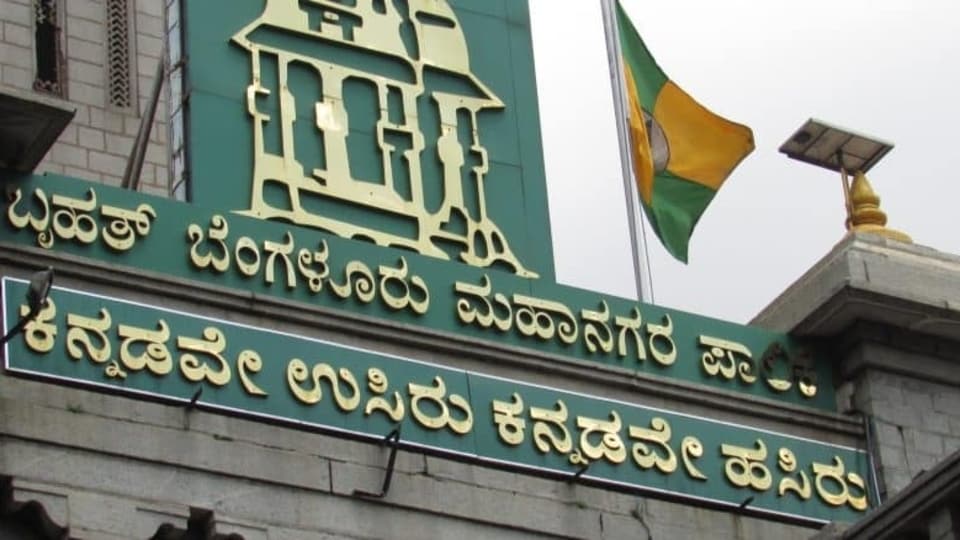
In a major step towards decentralized and participatory urban administration, the Karnataka Legislative Assembly Joint Scrutiny Committee has been formed to review the Greater Bengaluru Governance Bill-2024.
The proposed legislation aims to restructure urban governance by streamlining administration, creating up to ten city corporations, strengthening ward committees, and ensuring greater political accountability in public service authorities.
(Also Read: Massive weekend traffic gridlock hits Bengaluru's Yelahanka ahead of Aero India 2025)
The objective is to establish an efficient, transparent, and citizen-centric governance framework that enhances the quality of life for Bengaluru’s residents.
As part of the public consultation process, the committee is seeking suggestions from citizens, resident welfare associations, and organizations on the proposed Greater Bengaluru Authority-2024.
A zonal-wise schedule has been planned to facilitate structured discussions.
Check out the details here:
Citizens are encouraged to attend and voice their concerns, ensuring their perspectives are considered in the new urban governance model. More details on the participation schedule can be found in BBMP’s official circular.
The Greater Bengaluru Governance Bill, 2024
The Greater Bengaluru Governance Bill aims to establish a structured, decentralized, and participatory urban governance system for the Greater Bengaluru Area. It proposes the creation of the Greater Bengaluru Authority to coordinate and supervise the city’s development while setting up up to ten City Corporations for improved local administration.
The Bill seeks to empower Ward Committees as the foundation of urban governance, ensuring active community participation in decision-making. Additionally, it aims to streamline political accountability across all public service authorities operating in the region. By fostering an inclusive, efficient, and equitable governance framework, the legislation aspires to enhance the quality of life for all citizens while addressing the city's growing urban challenges.
(Also Read: Karnataka road transport corporations seek ₹2,000 crore loan as free bus scheme reimbursement lags: Report)