A Bengaluru resident’s comparison of metro and auto fares has gone viral on social media, reigniting discussions on the affordability and convenience of public transport in the city.
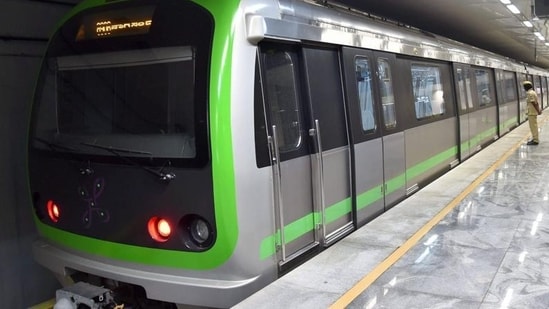
The viral post on X highlighted the cost disparity between metro and auto fares for the same route, noting that a trip from Malleshwara to Yelachenahalli by metro for three people costs ₹180, while traveling by auto for the same number of passengers costs ₹210.
(Also Read: Karnataka: Kannada outfits announce statewide bandh on March 22 over assault on bus conductor in Belagavi)
Check out the post here:
The post triggered a flurry of reactions, with users debating the practicality and cost-effectiveness of each mode of transport.
{{/usCountry}}The post triggered a flurry of reactions, with users debating the practicality and cost-effectiveness of each mode of transport.
{{/usCountry}}Some pointed out that factoring in last-mile connectivity expenses could push metro travel costs beyond ₹210. “If we account for spending on the last-mile transport, it may exceed ₹210,” one user noted.
Others suggested that the Karnataka government should work with auto unions to transition to electric autos, citing existing reduced fare structures for e-autos as a way to benefit passengers.
While some users defended metro travel for its speed, safety, and comfort, others argued that the fare structure should be more affordable. “Metro has AC, is safer, and ensures timely arrival. But three people in an auto for long distances isn’t comfortable,” a user remarked.
A few also pointed out metro’s efficiency. “Yes, but the only advantage? Metro takes about 20-25 minutes, while an auto takes longer,” one user added.
Metro ridership drops
On February 8, the Bangalore Metro Rail Corporation Limited (BMRCL) authorities increased the fare by almost 100 per cent. In addition to it, the BMRCL started charging 5 per cent extra during 'peak hour'.
Ten days after the hike was effected, it has come to light that the ridership has been reduced to 6.3 lakh a day, BMRCL said.
"There was a decline in metro ridership by about 2.3 lakh. The expected revenue from the hike has not been achieved. So, our revenue is still the same, or less than it, compared to what it was before February 9 when the hike was effected," a BMRCL official told PTI.
The ridership came down despite the BMRCL putting a cap of 71 per cent hike in the metro rail fare instead of over 100 per cent in some sections.
(With PTI inputs)