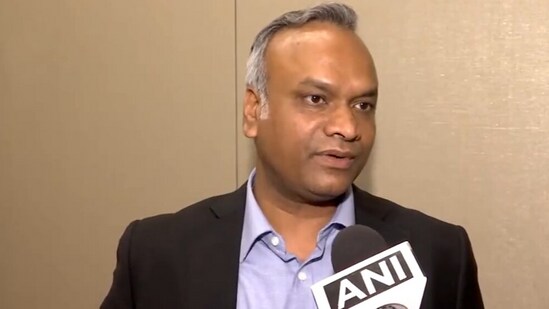
Karnataka IT Minister Priyank Kharge has strongly criticised the Centre’s proposal to impose a blanket ban on online real money gaming, calling it another example of “bad policymaking” by the Modi government. He argued that instead of prohibition, a well-regulated framework is the only way to safeguard jobs, revenues, and national security.
Also Read - Karnataka Assembly clears bill to rename Bangalore University after Dr Manmohan Singh
What Priyank Kharge told?
Kharge warned that the move would have severe economic consequences. According to him, the online real money gaming industry contributes nearly ₹20,000 crore annually to state and central revenues through GST and income tax. A sudden ban, he said, would wipe out this income stream.
Highlighting the scale of the sector, the minister pointed out that over 2,000 gaming startups and more than two lakh professionals are engaged in IT, AI, and design roles within the industry. “A ban doesn’t just stifle innovation, it will drive Indian talent abroad and push entrepreneurs to shift base outside the country,” he cautioned.
The minister also flagged the risk to foreign investments, noting that the industry has attracted ₹23,000 crore in FDI in the past five years. He said such capital inflows would dry up if India itself shut down its own digital ecosystem. Additionally, an estimated ₹7,000 crore spent annually on advertising, data centres, sponsorships, and cybersecurity would also vanish, leading to an “ecosystem collapse.”
{{/usCountry}}The minister also flagged the risk to foreign investments, noting that the industry has attracted ₹23,000 crore in FDI in the past five years. He said such capital inflows would dry up if India itself shut down its own digital ecosystem. Additionally, an estimated ₹7,000 crore spent annually on advertising, data centres, sponsorships, and cybersecurity would also vanish, leading to an “ecosystem collapse.”
{{/usCountry}}Kharge further argued that banning platforms will not address concerns over addiction or suicides. Instead, it would push users to offshore and unregulated betting sites, which already account for a parallel market worth ₹8.2 lakh crore annually. Such a shift, he warned, carries risks of money laundering, terror financing, and data theft—threats flagged even by the Financial Action Task Force (FATF) and Rashtriya Raksha University.
Also Read - Bengaluru sees spike in viral infections among children, elderly as monsoon sets in
Legally too, Kharge pointed out, the issue remains unsettled as the Supreme Court is still examining whether the power to regulate gaming lies with the Centre or the states. “Why the rush to ban now?” he questioned.
As a way forward, the minister suggested regulating skill-based platforms, enforcing the IT Rules, 2021, and whitelisting legitimate operators. “Balanced regulation will ensure jobs, revenue, safer users, stronger national security, and innovation. A ban achieves none of these, it only fuels illegal markets,” Kharge said.