
 E-Paper



North Karnataka begins process to preserve over 400 monuments in 3D
The process of 3D preservation is being conducted by the Karnataka State Council for Science & Technology (KSCST) and the Karnataka State Department of Archaeology (KSDA).

 Prefer HTon Google


The Karnataka government has begun the process of digitally preserving more than 400 monuments in northern parts of the state that fall under the Belgaum division, according to a media report. This will include structures such as historic temples, forts and other architectural marvels.
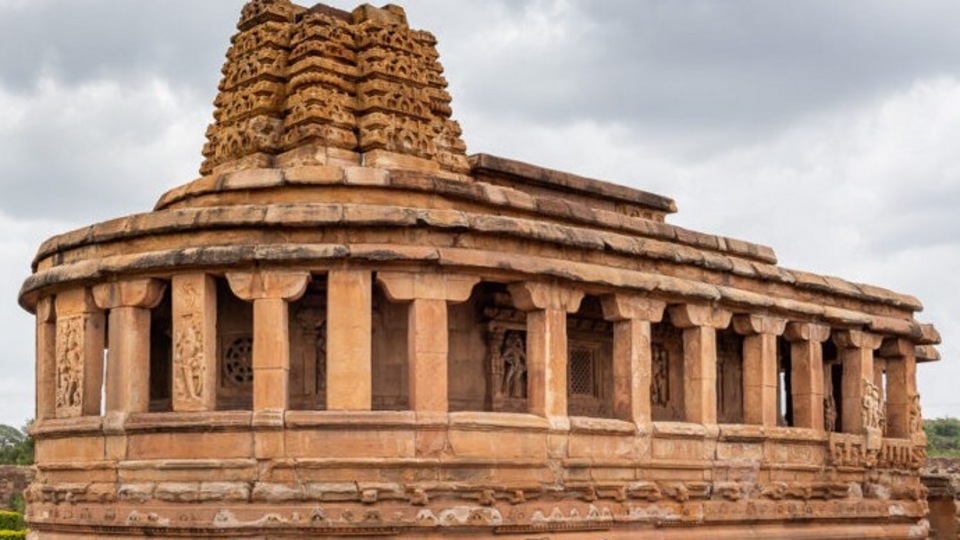
The process of 3D preservation is being conducted by the Karnataka State Council for Science & Technology (KSCST) and the Karnataka State Department of Archaeology (KSDA).
This is in line with the government's 2020 order under which it aims to preserve cultural and heritage information of monuments using 3D laser scanning and geo-spatial technologies.
The digital data will help preserve and reconstruct the heritage site to improve virtual tourism, the government had stated in its 2020 release. The information will also come in handy to take up reconstruction and restoration activities.
According to the report, the teams of KSDA and KSCST have already completed the digital preservation of at least nine monuments in the Mulgund district and now are working in the Haveri district.
"The objective of the Karnataka Digital Heritage (KDH) Project is to extend the power of digital advanced technologies to capture, collect and create the database for preserving and sharing the database for future preservation, restoration and reconstruction of heritage sites," it had also stated.
Karnataka possesses a rich cultural heritage that goes back more than two millennia. It is a home to several heritage sites, forts and palaces, and UNESCO has recognised two World Heritage sites at Hampi and Pattadakal. Further, several remnants of the various dynasties are scattered across the state such as the Chalukyas, Rashtrakutas, Kadambas, and Deccan sultanates, and the Vijayanagar empire, the Wodeyars of Mysore, the Nayakas, and Haidar Ali and Tipu Sultan.


