
 E-Paper



Trekkers dump plastic waste on Karnataka's Kumara Parvata, govt bans trekking across state temporarily
Karnataka forest minister Eshwar Khandre wrote a letter to the Principal Chief Conservator of Forests and said that the rampant trekking must be regulated.

 Prefer HTon Google


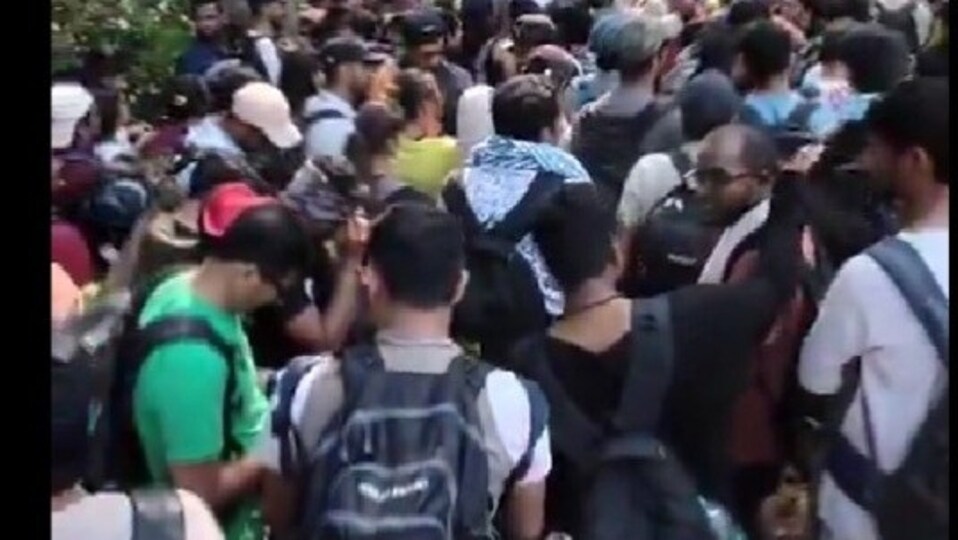
The Karnataka government has temporarily banned trekking activities in forest areas of the state. Karnataka Forest Department issued an order on Tuesday after many trekkers rushed to popular Kumara Parvata in Dakshina Kannada district during the last long weekend. The forest department said that such large crowds might disturb the forest and wildlife ecosystem in the state.
Also Read - Hanuman flag row in Karnataka: Panchayat Development Officer suspended
Karnataka forest minister Eshwar Khandre wrote a letter to the Principal Chief Conservator of Forests and said that the rampant trekking must be regulated. In the letter, he said, “The youth is excited about exploring western ghats and other forest regions, but it should not affectthe ecology in the state. Such rampant forest tourism might pollute the water bodies and disturb nature. This must be regulated immediately with a sustainable action plan.”
The minister also said that the trekkers were seen dumping plastic and leftover food in the forests. “It is sad that the trekkers who visited Kumara Parvata were seen littering withplastic water bottles on the hill. It has become a tough task for forest officials to screen every person. Trekking is temporarily banned at places where there is no online booking. This includes Kumaraparvata, Moorkanu Gudda and other areas,” he added.
A few trekking activities can be booked through the Karnataka eco-tourism website, and such activities are not banned. As Karnataka has a vast forest region, trekking has been popular among tourists, especially on weekends.
A video went viral recently, where hundreds of trekkers were seen flocking to the Kumara Parvata, which is considered as one of toughest treks in the country. This created a backlash on social media where people expressed concern about the ecological consequences of such unregulated tourism.


