
 E-Paper



Inter-faith couple's plea for police protection dismissed in Madhya Pradesh. Court says…
The Madhya Pradesh High Court dismissed the plea, filed by a Muslim man and a Hindu woman, who wanted to register their marriage.

 Prefer HTon Google


A marriage between a Muslim man and a Hindu woman cannot be “valid” under the Muslim personal law, the Madhya Pradesh High Court has ruled.
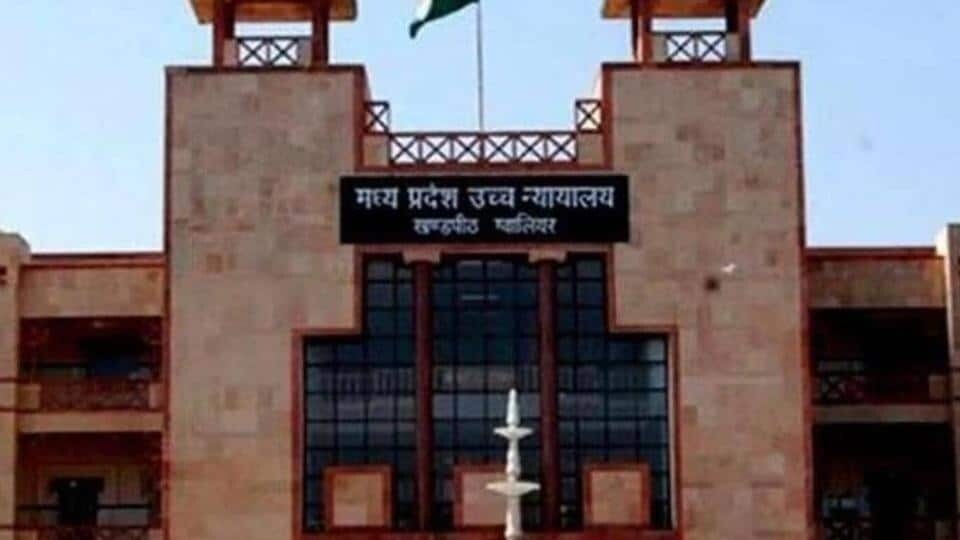
“Such a marriage would be deemed ‘irregular’ under the Muslim law, even if the couple are married under the Special Marriage Act, 1954,” Justice Gurpal Singh Ahluwalia said while dismissing a plea for police protection to register an inter-faith marriage.
Also Read | Married Muslims can’t claim rights in a live-in-relationship: Allahabad HC
“As per the Islamic law, a Muslim boy's marriage with a girl who is an ‘idol-worshipper,’ is not valid. Even if it is registered under the Special Marriage Act, the union would no longer be valid, but it would be irregular,” the bench noted in its order.
The plea was filed by a Muslim man and a Hindu woman after the latter's family opposed the relationship. The girl's family members, who were apprehensive that they would be “shunned” by the society if the marriage went ahead, also accused her of taking jewellery from their house to marry her partner.
According to the couple's counsel, the two wanted to marry under the Special Marriage Act. Neither, however, was willing to convert to the other's religion.
Also Read | Allahabad HC rejects 8 interfaith couples’ pleas citing anti-conversion law
The counsel also argued that the inter-religious union would override the Muslim personal law, and be valid under the Special Marriage Act.
“A union under the Special Marriage Act would not be a legalised one. Section 4 of the legislation provides that if the parties are not within a prohibited relationship, only then the marriage can be performed,” Justice Ahluwalia stated in his order.
“It is not the petitioners' case that if the marriage is not performed, they still want to be in a live-in relationship. It is also not their case that petitioner no.1 (the woman) would accept the Muslim religion. Under these circumstances, this court is of considered opinion that no case is made out of warranting interference,” as per the order.


