E-Paper



MP govt plans to impose surcharge on liquor, others services to fund cow welfare
The Madhya Pradesh government is planning to impose a surcharge on products such as liquor and services provided by local bodies to generate ₹100 crore to meet the expenses of running cow shelters in the state, a senior finance department official said on Friday, after meeting of Gau Samvardhan Board with chief minister Shivraj Singh Chouhan a day before

 Prefer HTon Google


The Madhya Pradesh government is planning to impose a surcharge on products such as liquor and services provided by local bodies to generate ₹100 crore to meet the expenses of running cow shelters in the state, a senior finance department official said on Friday, after meeting of Gau Samvardhan Board with chief minister Shivraj Singh Chouhan a day before.
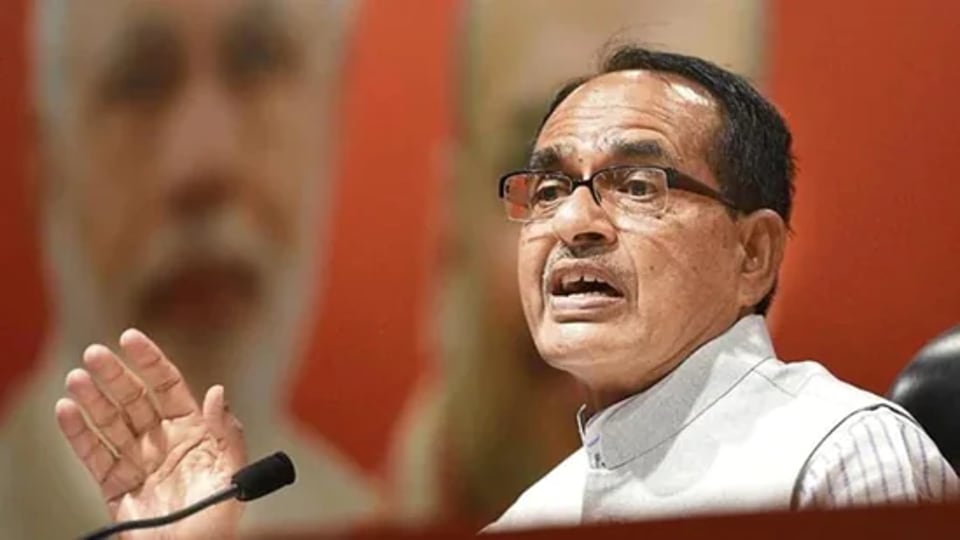
The official said a decision in this regard was taken at a meeting of Gau Samvardhan Board Thursday in Bhopal after the efforts to get donations evoked lukewarm response from people and the revenue for cow protection from Mandi Board had declined due to the implementation of new farm laws in 2020.
Although Prime Minister Narendra Modi on Friday announced that the three farm laws would be repealed, the state government officials provided no clarity on whether the sale and purchase of agricultural produce in designated markets would resume.
“The (Gau Samvardhan) board needs ₹160 crores to feed 2.6 lakh cows living in 1,300 cow shelters. But, the budget provided is ₹60 crore. So, every day per cow expenditure needed is ₹20 as against provided ₹6 per day. In the meeting, which was chaired by Chouhan, the discussion was held on generating funds only,” said a senior officer of the animal husbandry department, who did not wish to be named.
According to JN Kansotiya, additional chief secretary, Animal Husbandry department, the CM directed officers to impose some welfare surcharge on products and services to generate income for cow welfare and protection scheme to resolve the issue of financial crises. He added that the finance and commercial tax department have been asked to prepare a proposal.
A senior officer of the finance department, not willing to be named as he was not authorised to speak to media, said, “We can’t impose any additional tax on the products and services which are already covered under GST. We are left with two options - imposing a surcharge on alcohol used for human consumption and petroleum product. As the prices of fuel are already high, we are focusing on imposing a tax on liquor, electricity and services provided by the municipal bodies.”
The plan will be finalised soon and it will be approved by Gau (cow) cabinet which was formed last year for deciding for welfare and protection of cows, the officer said.
State finance minister Jagdish Devda said, “The state government is planning to impose an additional duty for welfare and protection of cows. But at the same time, we don’t want to put an extra burden on common people so the decision will be finalized by the cabinet soon.”
Earlier, then chief minister Kamal Nath had also proposed to impose cow cess in October 2019 but after he resigned in March 2020, the proposal took a back seat.
The opposition Congress attacked the state government for spending money on events and putting an extra burden on the people by imposing a tax to run welfare activities.
“BJP-led state government is spending crore of rupees to organise events like they recently did on Janjatiya Gaurav Diwas but they have no money to feed cows. The state government wants to run all the welfare schemes by imposing the tax on common people. Even the money collected from the tax will be spent on organising events of cow protection not on cow welfare,” said JP Dhanopia, spokesperson, MP Congress committee.