E-Paper



MP to dispose of hazardous waste for memorial to Bhopal gas tragedy victims
Over 5,000 people were killed in one of the worst industrial disasters when methyl isocyanate gas leaked from the factory in December 1984

 Prefer HTon Google


The Madhya Pradesh government plans to dispose of 337 metric tonnes of hazardous waste from the premises of the erstwhile Union Carbide pesticide factory for the construction of a memorial to the Bhopal gas tragedy victims there, officials said.
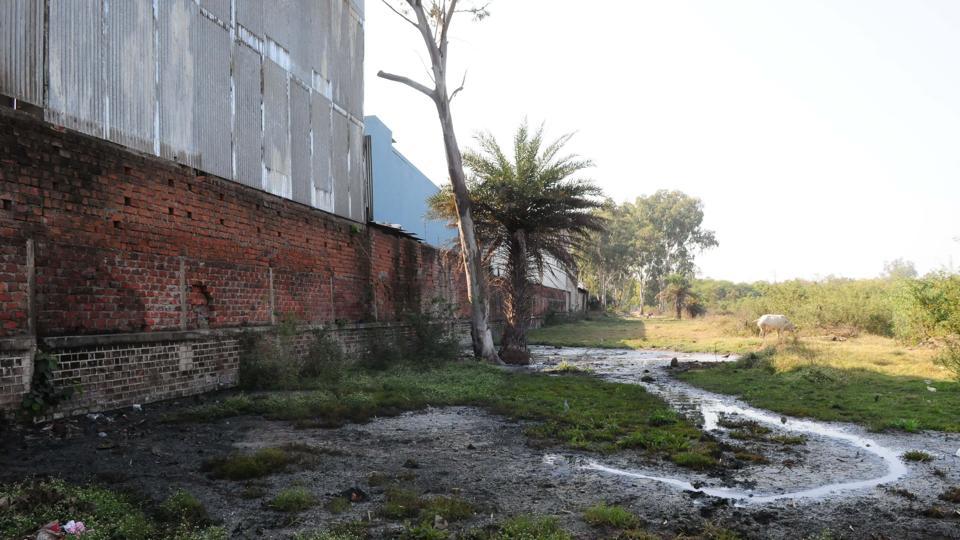
Over 5,000 people were killed in one of the worst industrial disasters when methyl isocyanate gas leaked from the factory in December 1984.
Bhopal Gas Tragedy Relief and Rehabilitation department director Basant Kurre said a tender was issued on May 4 for the disposal and two companies won the bid. “Now, the Central Pollution Control Board, State Pollution Control Board, and a team of experts will check the efficiency of these companies and their work. If the companies are found eligible, the work order will be released. The companies will get four months to collect the waste and dispose of it.” He added the state will get ₹350 crore from the Centre for the disposal.
Also Read | IMD issues ‘orange’ alert for several MP districts
Officials said the disposal was delayed due to a lack of clarity over who would dispose of the waste--whether the state or the Central government.
Rachna Dhingra, an activist, said the waste cited is just 5% of total lying there and the state government should conduct a proper survey.
“After the disaster, about 200 metric tonne waste was dumped in a pond by covering the ground with sheets while about 137 MT was in the factory. According to a report of the National Environmental Engineering Research Institute, the Pollution Control Board, and independent research, the toxic waste poisoned the groundwater and soil of the nearby area. There is a need for the survey and real disposal of waste,” said Dhingra.
Rashida Bi, a survivor, said the government is trying to dispose of the waste in hurry. “The survivors of the tragedy are waiting for compensation. The state government is planning to spend ₹100 crore on a memorial and research centre. They should first focus on providing the victims with quality water and a good life...”
Vishwas Sarang, the minister in charge of the relief and rehabilitation, said the government wants to give a good life to the victims and that is why they are making efforts to provide them health facilities and jobs. “The hazardous waste is lying in the area for years and we are trying to dispose it of as soon as possible as per the guidelines of the Supreme Court and ministry of environment. If required, we will do a survey of groundwater and soil of the nearby area and will accordingly.”
In 2012, the Supreme Court ordered the ministry to dispose of the waste after conducting a trial and an assessment of the impact of the disposal on the environment. After a ministry report, the court asked the state government to release tenders under the guidance of the Central Pollution Control Board for waste disposal.
The Board disposed of 10 tonnes of waste from the factory premises on a trial basis in Pithampur Industrial area in Dhar. But after the trial, the government did not take any further action.