
 E-Paper



3 lakh dog bite cases push Punjab to rein in strays
MC commissioners, additional deputy commissioners told to take immediate measures, submit action-taken reports in a week


Taking note of over 3.34 lakh dog bite cases in the state in 2025, the Punjab government has swung into action to tackle the stray dog menace.
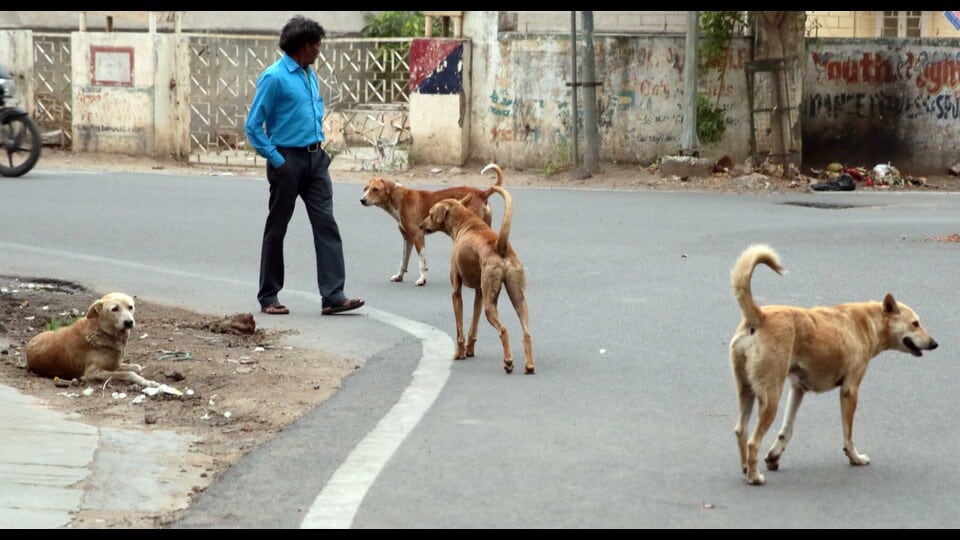
Seeking immediate, coordinated and result-oriented measures, local government minister Sanjeev Arora on Friday directed municipal corporation commissioners and additional deputy commissioners (ADCs) to submit detailed action-taken reports within seven days.
Calling the issue a “serious public safety and public health concern”, Arora said the unchecked rise in stray dog populations, particularly in urban and semi-urban areas, had begun to severely impact the daily lives of citizens.
He noted that incidents involving dog bites, attacks on children and elderly residents, and the presence of aggressive packs in residential neighbourhoods had created widespread fear and insecurity. He added that authorities had been receiving frequent complaints about stray dogs chasing pedestrians, two-wheeler riders and schoolchildren — often leading to accidents and injuries.
“This is not merely a civic inconvenience but a pressing safety challenge that demands urgent intervention,” the minister said, warning that dog bites also posed the risk of life-threatening diseases such as rabies.
Officials told to step up sterilisation efforts, bolster dog shelters
The minister attributed the growing problem to gaps in sterilisation efforts and poor waste management practices. “Unregulated garbage dumping and food waste in public places provide easy feeding grounds, accelerating the breeding of stray dogs,” he observed.
To tackle the issue comprehensively, Arora directed officials to immediately scale up sterilisation programmes to control the stray dog population in a humane and scientific manner. He also called for mass vaccination drives to curb the spread of rabies and other zoonotic diseases.
Further, the minister emphasised the need to strengthen dog shelters and holding facilities to manage aggressive or injured animals effectively. He also stressed improving solid waste management systems, including timely garbage disposal, to eliminate food sources that sustain stray populations.
In a bid to ensure accountability, Arora ordered the constitution of dedicated monitoring teams at the district and city levels for regular review of progress. He also underscored the importance of public awareness campaigns to educate citizens about safe behaviour around stray animals and responsible waste disposal.
“All interventions must strictly adhere to animal welfare norms while ensuring that public safety remains the top priority,” he said.
Calling for swift action, Arora instructed officials to implement the measures on a war footing and ensure visible, measurable outcomes. He also directed close coordination among municipal bodies, veterinary departments, and non-governmental organisations to ensure effective execution.


