
 E-Paper



3 years on, green power tariff finds few takers in Ludhiana
Under the mechanism, consumers can now select the tenure, start month, and yearly quantum of green power required, along with a month-wise consumption break-up


More than 3 years after Punjab introduced the Green Power Tariff, consumer response in Ludhiana has remained limited, despite the city’s strong industrial base and growing sustainability push. The recent operationalisation of the formal online application process by Punjab State Power Corporation Limited (PSPCL) has once again brought attention to low uptake, even as domestic, commercial, and industrial consumers can now formally apply for renewable energy through the existing grid system.
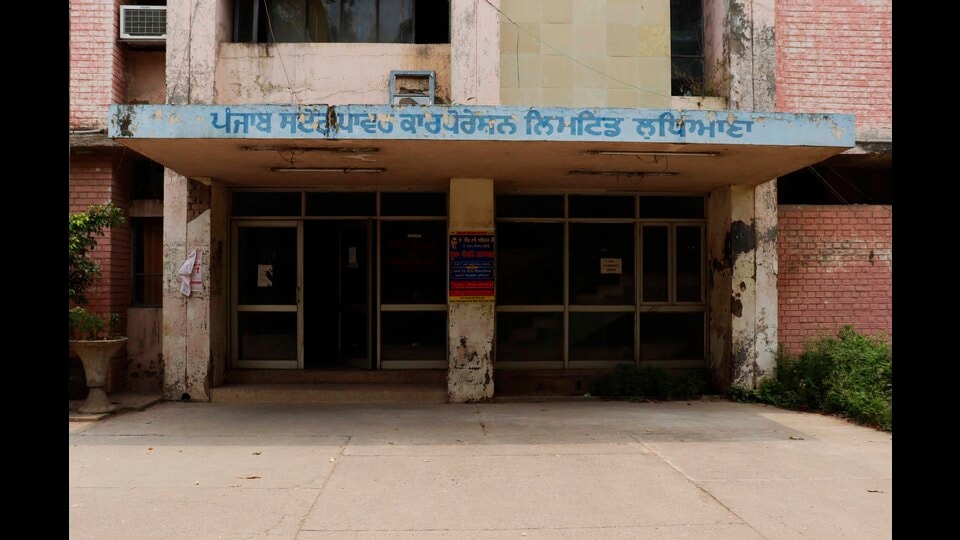
The Green Power Tariff was first enabled under Punjab State Electricity Regulatory Commission regulations notified in December 2022, allowing consumers to voluntarily procure a specified quantum of renewable energy by paying an additional tariff over and above the regular electricity bill. The framework was further reinforced in the latest tariff order issued in March 2026, which formalised the present application and certification mechanism.
Under the mechanism, consumers can now select the tenure, start month, and yearly quantum of green power required, along with a month-wise consumption break-up. The utility will then supply the renewable component through the existing grid and reflect the same in monthly billing, with the applicable green tariff added over the regular electricity charges. At the end of the selected tenure, PSPCL will issue a Green Energy Certificate certifying the renewable units supplied.
Despite being Punjab’s largest industrial power-consuming city, Ludhiana has seen only 10 consumers opt for PSPCL’s green tariff since 2022. Officials and industry stakeholders said the main reasons include limited awareness among consumers, the additional tariff burden, and uncertainty over direct commercial gains.
The issue assumes significance in Ludhiana because many export-driven industries are increasingly under pressure to align with global sustainability and ESG-linked compliance norms. For such units, opting for grid-supplied renewable energy can serve as a practical alternative to captive solar or open-access renewable sourcing.
Central zone chief engineer Jagdev Singh Hans expressed confidence that the operational rollout of the application system would gradually improve adoption in the city. “The simplified process and formal certification mechanism are expected to encourage more industrial and commercial consumers in Ludhiana to shift towards green power in the coming months,” he said.
Officials said the online application system has been designed to remove procedural hurdles by enabling consumers to upload account details, contract demand, green power requirement and duration through a structured digital format. This, they said, is likely to make the scheme more accessible for large consumers.
Industry representatives, however, said consumer response may ultimately depend on how the additional tariff is weighed against compliance and branding advantages. For several MSMEs, especially those operating on tight margins, the decision may come down to whether global buyers and auditors recognise the Green Energy Certificate as a credible sustainability document.
Rather than pointing to policy gaps, officials believe the current phase is more about building awareness and demonstrating practical benefits. In a city like Ludhiana, where electricity demand remains among the highest in Punjab, the green tariff route could emerge as an important compliance and sustainability tool if awareness improves.
For now, the low uptake raises a larger question for Ludhiana’s industrial ecosystem: whether cost concerns will continue to outweigh long-term sustainability benefits, or if the formal application process finally helps unlock consumer interest in cleaner grid power.


