
 E-Paper



Chandigarh: Art gives birth to peace and peace nurtures art, says Muzaffar Ali
Speaking on the theme “Art for Peace”, Ali began his address by calling Chandigarh “a glorious city to live in”; reflecting without prepared notes, he explored the intersections of art, pain, human consciousness, and ethical responsibility

 Prefer HTon Google


Eminent filmmaker and artist Muzaffar Ali spoke on the moral responsibility of art and cinema on Friday, underscoring their roles in fostering peace, dialogue, and shared human values while delivering the 4th Prof Urmi Kessar Memorial Lecture at Panjab University (PU).
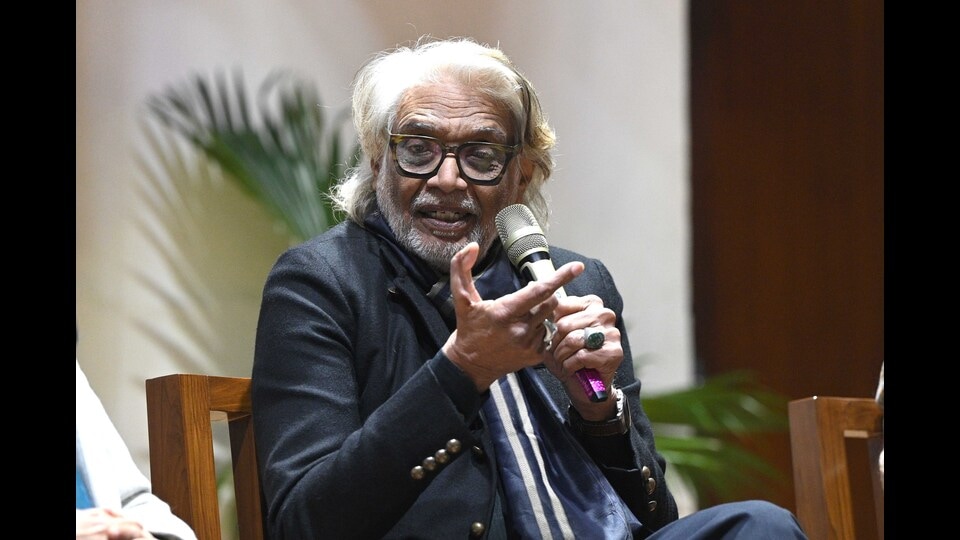
Speaking on the theme “Art for Peace”, Ali began his address by calling Chandigarh “a glorious city to live in”. Reflecting without prepared notes, he explored the intersections of art, pain, human consciousness, and ethical responsibility. He said that peace is not merely a political condition but an organic ecosystem sustained by a balance between aesthetics and ethics, love and security, and society and the individual. Any rupture in this balance, he warned, signals a deeper cultural crisis.
Ali stressed that art and peace are interdependent. “Creative expression gives rise to peace, and peace, in turn, allows art to flourish,” he said, adding that the foundation of peace must be laid within human consciousness, rooted in empathy and awareness.
Drawing from his personal journey, Ali spoke of his deep emotional bond with his village, Kotwara, his formative years in Aligarh and Kolkata, and his evolution from studying science to discovering poetry and painting. He described poetry as the “mother art”, noting that all creative forms are interconnected. Reflecting on his cinematic career, he discussed films such as Umrao Jaan, Gaman, and Anjuman, highlighting the centrality of music, emotion, and moral depth in cinema.
Ali also recalled his engagement with Kashmir, its seasons, culture, and mystic poetry, and how insurgency forced him to abandon a film project there, an experience that later found expression in Jahan-e-Khusro. He concluded by saying that cinema demands commitment and courage, lamenting that today, responsibility is often replaced by the pursuit of money.


