
 E-Paper



Chandigarh: PU develops AI model to identify forged signatures
PU, Chandigarh vice-chancellor professor Renu Vig congratulated the team for developing the model and encouraged other researchers and faculty members of the varsity to utilise artificial intelligence in research and for generating new ideas


Researchers from the department of anthropology and the Institute of Forensic Science, Panjab University (PU), have developed an artificial intelligence (AI)-based model for identifying real and forged signatures.
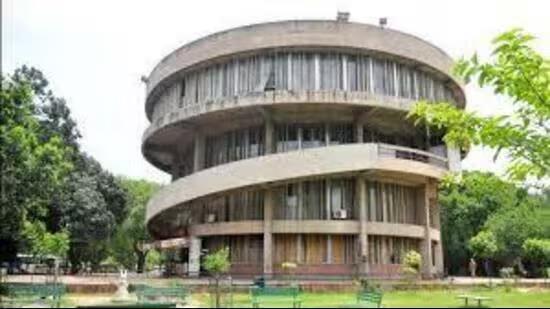
The copyright office has granted a registration to the model, which can be used to identify signature forgery on important documents.
The AI model, developed by professor Kewal Krishan and his research team, is based on SVM (Support Vector Machine), a supervised learning algorithm which distinguishes real and forged signatures in practical situations.
The model received an accuracy of 90% in classifying 1,400 handwritten signatures (700 real and 700 forged).
The AI model could be utilised in forensic examinations and criminal investigation. It can identify signatures on forms, cheques, drafts, treasury documents, registration of property and other bank documents. This approach will save time and reduce the work load of forensic scientists and document examiners.
Vice-chancellor, professor Renu Vig, congratulated the team for developing the model and encouraged other researchers and faculty members of the varsity to utilise artificial intelligence in research and for generating new ideas.


