
 E-Paper



Consider city DSP as feeder cadre for IPS: Central Administrative Tribunal
The bench, comprising judicial member Ramesh Singh Thakur and administrative member Rashmi Saxena Sahni, held that administrative delays could not be permitted to defeat an officer’s statutory right to be considered for promotion in accordance with the applicable rules

 Prefer HTon Google


In a significant order that could impact the career progression of city’s police officers, the Central Administrative Tribunal (CAT), Chandigarh Bench, has directed the Centre to process and decide the long-pending proposal of considering the UT police deputy superintendent of police (DSP) cadre as a feeder service for induction into the Indian Police Service (IPS) under the AGMUT cadre.
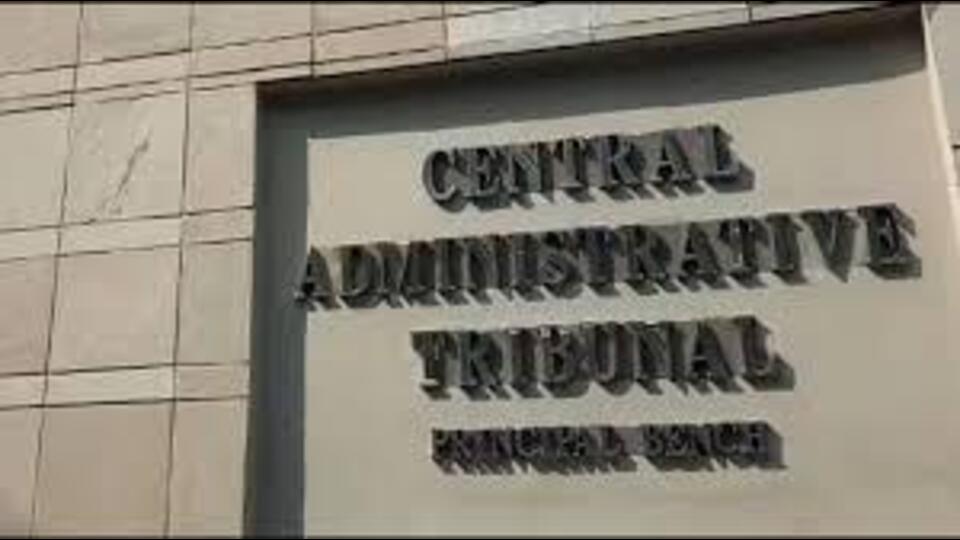
Allowing an application filed by UT police DSP Ram Gopal, the tribunal quashed three communications issued in 2019 which rejected his request for consideration for IPS induction on grounds that the city’s DSP cadre was not a recognised feeder cadre.
The bench, comprising judicial member Ramesh Singh Thakur and administrative member Rashmi Saxena Sahni, held that administrative delays could not be permitted to defeat an officer’s statutory right to be considered for promotion in accordance with the applicable rules.
“The inaction on the part of the respondents in taking consequential steps despite the communication dated November 3, 2020, of the Ministry of Home Affairs (MHA) and the subsequent notification of the Recruitment Rules has resulted in denial of consideration of the applicant’s case,” the tribunal observed.
DSP Gopal had contended that he fulfilled the eligibility criteria prescribed under the IPS (appointment by promotion) Regulations, 1955, having completed more than eight years of service in the rank of DSP. He argued that while Chandigarh has sanctioned IPS posts under the AGMUT cadre, officers of the Chandigarh police have been denied consideration because the DSP cadre has not been formally recognised as a feeder service for promotion to the IPS.
UT was opposed to plea
The UT administration and the Centre opposed the plea, maintaining that Chandigarh police DSPs do not form part of the feeder cadre recognised under the IPS Promotion Regulations and that the applicant therefore had no enforceable right to seek induction into the IPS. They also relied on communications issued by the MHA stating that the DSP post was an isolated cadre not covered under the existing promotion regulations.
‘UT failed to act on MHA communication’
The tribunal, however, held that the authorities had failed to act on the MHA’ November 3, 2020 communication, which had stated that the proposal to treat Chandigarh DSPs as a feeder cadre for induction into the AGMUT cadre of the IPS would be considered after notification of fresh recruitment rules.The tribunal observed that the recruitment rules were notified on January 21, 2021, but the Chandigarh administration failed to take consequential steps despite repeated directions issued during the pendency of the case.
The tribunal directed the administration to forward the recruitment rules governing the DSP cadre along with all connected proposals and records to the MHA and the department of personnel and training within two weeks, if this has not already been done.
It further directed the Centre to take consequential steps for implementation of the Chandigarh DSP cadre as a feeder cadre for induction into the AGMUT IPS cadre.
The tribunal clarified that DSP Gopal’s case would thereafter be considered strictly in accordance with the IPS (Appointment by Promotion) Regulations, 1955, subject to his fulfilling the prescribed eligibility conditions.


