A report by the Punjab Agricultural University (PAU) here has revealed that erratic rainfall patterns in Punjab and Himachal Pradesh were behind the floods that ravaged the state in 2023.
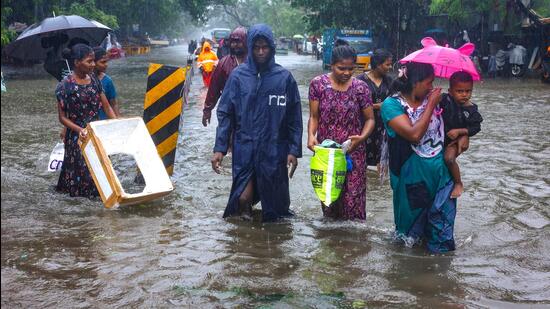
The unprecedented flooding resulted in colossal damage to life, livestock and agricultural produce.
A study was recently conducted by Prabhjyot Kaur, Dr Sandeep Sandhu, and Dr Simerjeet Kaur from PAU to understand the causes and impact of floods. The study showed that the flooding in Punjab happened because of peculiar rainfall patterns in Punjab and Himachal Pradesh in July.
While Punjab in total received about 5% less rainfall than normal during the 2023 monsoon season, July stood out as an outlier. July 2023 saw 43% more rain than normal. In Himachal Pradesh also the month saw 75% more rainfall than normal in July. which peaked between July 7 and July 11, when it exceeded 436% of normal within four days.
Author of the study principal scientist Prabhjyot Kaur from agrometeorology at PAU, Ludhiana said, “Climatic extremes are becoming frequent and resilience as well as adaptive measures are the need of the hour. The novel concept of community nursery and langar of rice nursery advocated by PAU and strengthened by administration and farmers is prime model to be replicated in parts of the country where floods are frequent.”
{{/usCountry}}Author of the study principal scientist Prabhjyot Kaur from agrometeorology at PAU, Ludhiana said, “Climatic extremes are becoming frequent and resilience as well as adaptive measures are the need of the hour. The novel concept of community nursery and langar of rice nursery advocated by PAU and strengthened by administration and farmers is prime model to be replicated in parts of the country where floods are frequent.”
{{/usCountry}}PAU principal agronomist SS Sandhu stated, “Proactive approach along with proper guidance by PAU and adaptive behaviour of farmers presented an example of adoptable and reproducible climate resilience, which can be adopted in other regions of India.”