
 E-Paper



Heavy rains in Himachal boost water level in Pong and Ranjit Sagar dams
Heavy rainfall in the upper catchment areas of the Sutlej and Beas rivers in Himachal Pradesh has led to an increase in the water levels of the Pong and Ranjit Sagar dams. The water levels in these reservoirs are significantly higher compared to the same period last year

 Prefer HTon Google


Patiala: Heavy rainfall in the upper catchment areas of the Sutlej and Beas rivers in Himachal Pradesh has led to an increase in the water levels of the Pong and Ranjit Sagar dams. The water levels in these reservoirs are significantly higher compared to the same period last year. However, the Bhakra Dam continues to show lower levels than last year, officials familiar with the matter said.
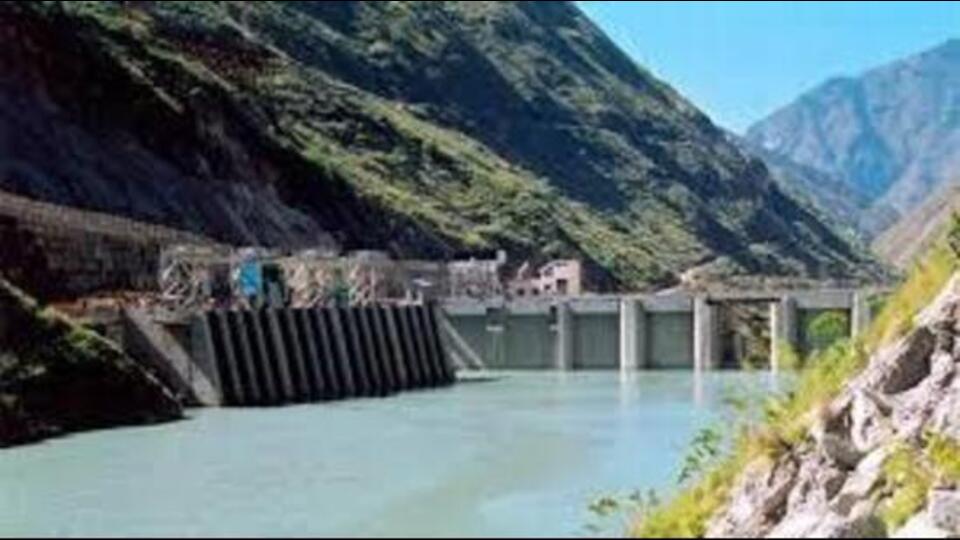
These dams are critical for irrigation and hydropower generation across the region, with a combined irrigation potential of 1,024 lakh hectares and a hydropower capacity of 2,375 MW.
Since June 1, Himachal has received 58% above-average rainfall. This excess rain, totalling 183.4 mm, has caused the water inflows to rise significantly in the Pong and Ranjit Sagar dams, fed by the Beas and Sutlej rivers.
The filling season for these dams starts on June 21 and runs until September 20, with the water levels heavily dependent on rainfall in the catchment areas.
The water level at Pong Dam has risen to 1,320 feet, up from 1,306 feet on the same day in 2023. The water level has increased by 35 feet since June 21, with the inflow spiking to 37,150 cusecs on Thursday, compared to 12,015 cusecs on June 21, said officials.
At Ranjit Sagar Dam, the current water level is 504.87 metres (1,656.4 feet), higher than the 501.88 metres (1,646.58 feet) recorded on the same day last year, indicating steady progress in filling the reservoir.
While the Bhakra Dam has also seen an increase in water levels, it remains below last year’s figures. The water level has risen by 20 feet since June 21, reaching 1580.3 feet. However, it is still 9 feet lower than the same day last year. Experts expect that with the inflow of 44,920 cusecs (up from 34,277 cusecs on June 21), the water level at Bhakra Dam may soon surpass last year’s levels.


