
 E-Paper



How Basant ban ushered in Lohri gaiety among Punjabis of Pakistan
Punjabis suffered much when the British replaced our language with Urdu. We bore the pain of Partition, but we will not let our festivals be taken away from us, says poet Lahore-based poet Afzal Sahir

 Prefer HTon Google


The 2007 ban on the spring festival of Basant in Pakistan saw the loss of the joyous kite flying that the Lahoris loved. Done in the name of law and order, many felt that it was carried out because the festival had its roots in Hindu myth. However, people cannot live without a festivity, shared for hundreds of years. Thus the winter agrarian festival of Lohri saw a slow yet steady revival in the cities of Pakistan Punjab.
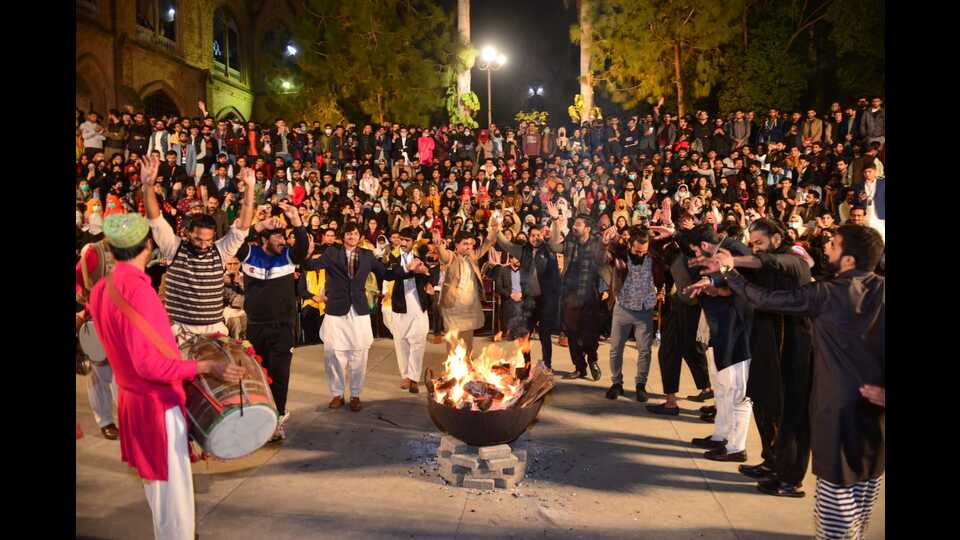
Interestingly, it was first revived in Faisalabad (Lyallpur of yore) by Tohid Ahmad Chattha, a historian and Punjabi activist, in 2013. Chattha’s ancestry is from the Jat Sikhs and his elders moved to Faisalabad in 1893 with the establishment of the canal colonies during British rule. He says, “We Punjabis felt that we were bereft of our festivals which had been celebrated for hundreds of years in togetherness without religious differences. So the first community Lohri celebration of the festival at the Clock Tower in Faisalabad was greeted with joy by one and all in 2013. A decade on, people look forward to the festival.”
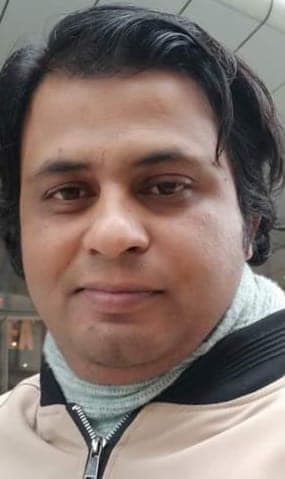
Gradually, the Lohri festival gaiety travelled to Lahore, Multan, Qasoor and several other places with dhol beats, dance and recall of the legend of folk hero Dulla Bhatti with chants of Sundar Mundriye Ho in praise of the rebel who was a friend of the poor and saviour to girls from being sold as slaves during the reign of Mughal emperor Akbar.
Poet and radio anchor Afzal Sahir, one of the leading enthusiasts of the Lohri festival celebrations at the Punjab Institute of Language, Art and Culture (PILAC) on Ferozepur road in Lahore, says, “We have been celebrating the festival here for the past few years, dancing jhomar and dhamal to the dhol. Punjabis suffered much when the British replaced our language with Urdu. We bore the pain of Partition, but we will not let our festivals be taken away from us.”


