
 E-Paper



Ludhiana: Strike ends as PSPCL comes up with direct contractual engagement policy
Efforts were made to manage consumer services despite operational disruptions caused by the strike, said Jagdev Singh Hans, PSPCL central zone’s chief engineer


The Complaint Handling Bike (CHB) and Complaint Handling Wagon (CHW) workers, who had been protesting for more than a week against the outsourced system of recruitment, ended their strike on Sunday after the Punjab State Power Corporation Limited (PSPCL) announced that it would directly engage eligible outsourced workers on a contractual basis after technical screening and experience verification.
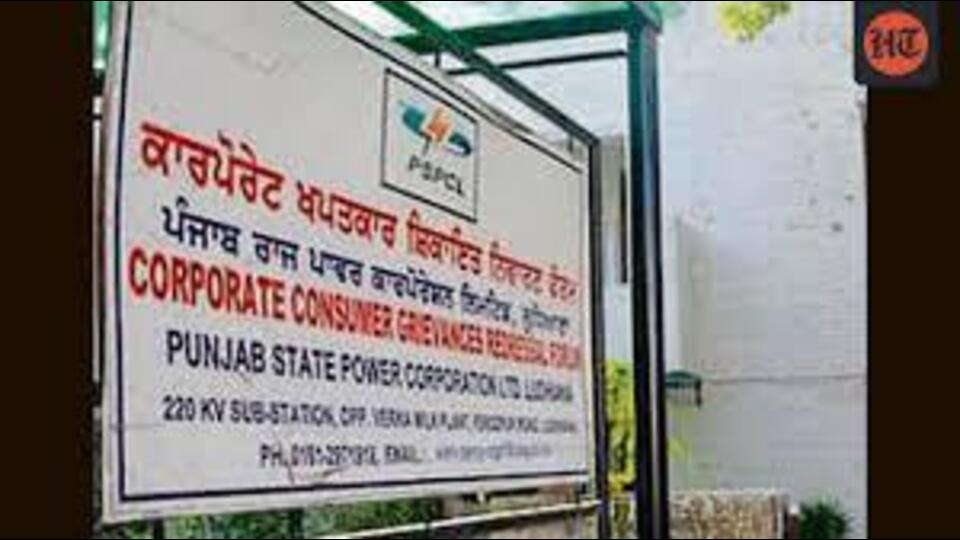
More than 1,000 outsourced workers in Ludhiana were participating in the strike, their union stated. The protesting workers, most of whom handle complaint attendance, local fault restoration, transformer breakdowns, and emergency field operations, had been demanding the removal of the contractor-based hiring system.
The announcement, which was made by the PSPCL’s Patiala office on Sunday, mentioned in its proposed mechanism that outsourced workers possessing technical qualifications and having three or more years of experience would be eligible for immediate direct contractual engagement with PSPCL.
Workers having technical qualifications but less than three years of experience would become eligible after completing the required service period. The policy also provides a route for unqualified but experienced workers.
Officials said outsourced employees without formal technical qualifications but having over three years of field experience would first undergo 10 days of practical training, followed by a basic technical competency test conducted by PSPCL training institutes or field divisions. Only after clearing the assessment would such workers become eligible for direct contractual engagement.
Employees who lack both technical qualifications and the minimum experience would become eligible only after completing 3 years of service and passing the technical assessment process.
The strike had impacted complaint handling and routine maintenance work in several city divisions, with regular technical staff reportedly managing additional field duties to maintain an uninterrupted power supply.
PSPCL central zone’s chief engineer Jagdev Singh Hans said the corporation was making efforts to manage consumer services despite operational disruptions caused by the strike. “Routine maintenance and some complaint handling operations have been affected due to the strike, but the PSPCL is making alternate arrangements to ensure consumers do not face major inconvenience,” he said.
Hans added that the corporation must ensure that the personnel engaged in technical operations meet operational and safety requirements. “The proposed framework is aimed at creating a structured and transparent mechanism for engaging experienced outsourced manpower while maintaining the technical standards required for field duties,” he said.
The issue of qualification and technical eligibility had emerged as a major point of contention during the strike, with PSPCL earlier maintaining that several outsourced workers did not meet formal recruitment norms required for direct departmental induction.


