
 E-Paper



Ludhiana:NGT for strict compliance on Tajpur road dumping of fly ash
According to the Punjab Pollution Control Board, the allegations against the Punjab Dyers Association and its member units lack substantive evidence


The National Green Tribunal (NGT), while hearing an application of the Public Action Committee (PAC), a non-government organisation (NGO) against Punjab Dyers Association and others, has taken a serious note of allegations related to dumping of fly ash and air pollution in Ludhiana, directing authorities to ensure strict compliance with environmental norms.
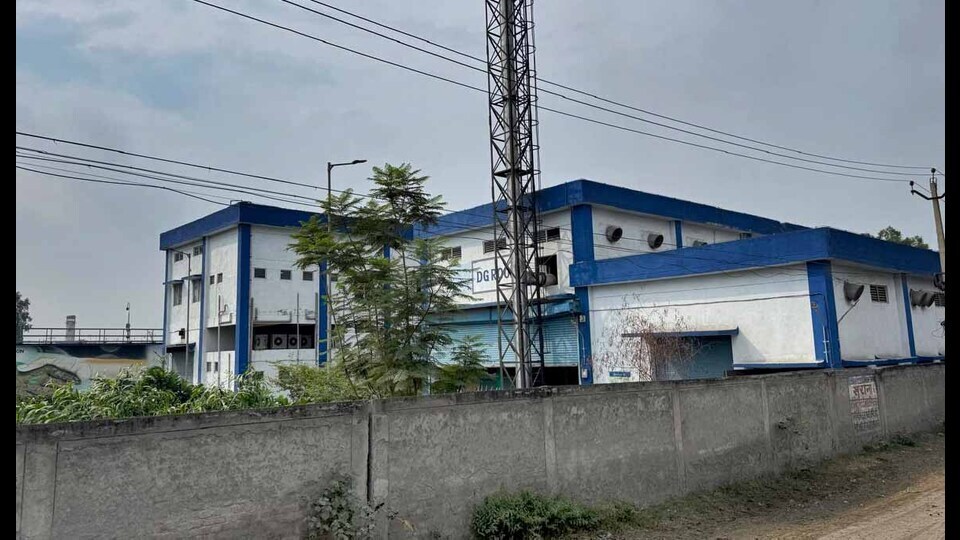
The Tribunal’s observation came after the Punjab Pollution Control Board (PPCB) filed its affidavit dated April 25, stating that the allegations against the Punjab Dyers Association and its member units lack substantive evidence and are largely based on isolated photographs. The PPCB clarified that the 50 MLD common effluent treatment plant (CETP) at Tajpur, operated by the association, is solely engaged in treating wastewater and does not generate fly ash.
In its order dated January 8, the Tribunal directed the respondents, including the PPCB, to file replies and furnish factual reports on the allegations raised by the PAC. The petitioner had accused member units of the Punjab Dyers Association, connected with a 50 MLD CETP at Tajpur Road, of causing environmental degradation through improper handling and disposal of industrial waste, particularly fly ash.
Taking cognisance of the matter, the NGT emphasised the need for on-ground verification and directed authorities to assess the situation through site inspections and submit action-taken reports. The tribunal underscored that environmental compliance cannot be compromised and called for identification of responsible entities in cases of illegal dumping.
The PPCB clarified in its affidavit that the CETP operated by the dyers’ association is engaged solely in treating wastewater and does not generate fly ash. It further stated that around 110 members (industrial units) associated with the CETP have obtained consent to operate under the Air (Prevention and Control of Pollution) Act, 1981.
Addressing the allegations, the PPCB informed the NGT that inspections were carried out on March 19 and 20 at the locations identified in the application. During these visits, instances of fly ash dumping were observed at certain vacant plots along Tajpur Road. The board stated that immediate steps were taken, including issuing letters dated April 7 to the district development and panchayat officer (DDPO) and the Ludhiana Municipal Corporation, seeking identification of landowners and initiation of appropriate action for removal of the dumped material.
The PPCB also clarified that the fly ash generated by textile and dyeing units using approved fuels such as rice husk and agro-waste is non-hazardous and is commonly reused for land levelling, construction and agricultural purposes. However, it acknowledged that improper dumping can lead to nuisance, particularly due to dispersion during windy conditions.
On the issue of air quality monitoring, the PPCB rebutted claims of non-compliance, stating that the installation of Continuous Ambient Air Quality Monitoring Stations (CAAQMS) is subject to directions issued by the Central Pollution Control Board (CPCB). It informed that as per CPCB communications dated June 10, 2021, and September 17, 2021, no fresh work orders for additional stations were to be issued, and currently one CAAQMS has been installed in Ludhiana in line with revised guidelines.


