
 E-Paper



NEET controversy: A call for quality education in India
A bold yet necessary move is to establish world-class universities in every district of India. This could include a mix of global campuses, new IITs, and top private universities

 Prefer HTon Google


The ongoing controversy surrounding the National Eligibility cum Entrance Test (NEET) in India has sparked intense debate and concern. The crux of the matter isn’t just about the exam itself, but rather the broader implications on the nation’s education system and future workforce. It’s high time we delve deeper into the underlying issues and explore viable solutions to ensure that our education system aligns with the aspirations of millions of students and the economic ambitions of the country.
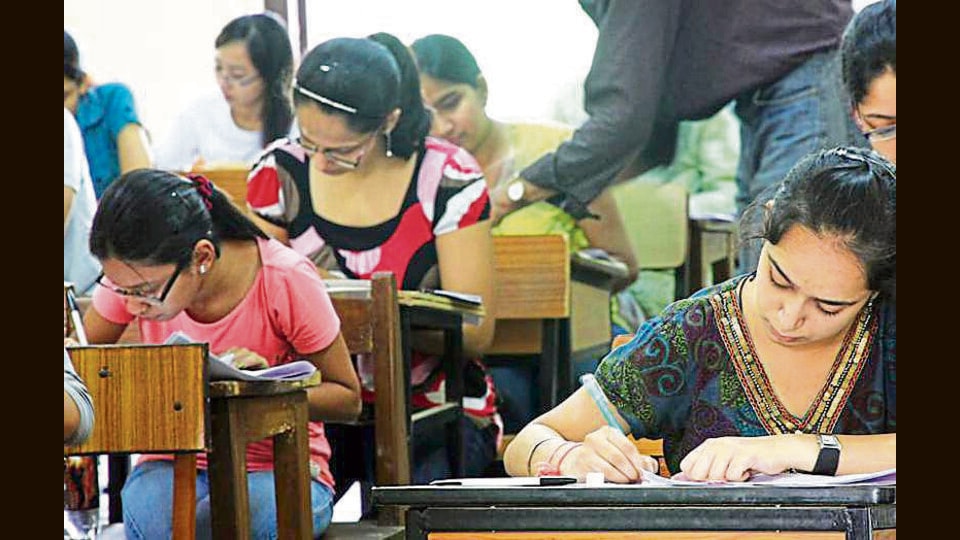
To put things into perspective, the total valuation of test-prep companies in India exceeds a staggering $15 billion. This colossal industry thrives on the aspirations and anxieties of students striving to secure seats in medical and engineering colleges. With so much money at stake, it’s hardly surprising that scams and malpractices surface periodically. These incidents underscore a critical flaw in our education system: the over-reliance on high-stake entrance exams as gatekeepers to quality education.
A common suggestion to address these issues is to improve the National Testing Agency (NTA), the body responsible for conducting NEET. However, merely enhancing the NTA’s capabilities is unlikely to solve the fundamental problem. The real issue lies in the scarcity of quality educational institutions and the intense competition for limited seats. This scarcity drives the demand for test-prep services and fuels the high-pressure environment that often leads to unethical practices.
Expanding quality educational capacity
So, what’s the way forward? The answer lies in increasing the capacity for quality education. Imagine a scenario where securing a medical seat or a prestigious engineering degree isn’t an insurmountable challenge. By expanding access to high-quality education, we can dilute the concentration of demand and reduce the pressure on students.
One pivotal step is to provide access to global education for all who desire and deserve it. India needs over three million scientific, technical, and business leaders to achieve its ambitious goal of a $10 trillion GDP. This target cannot be met by constraining the supply of quality education. Instead, we need to liberally build and enhance educational institutions across the country.
A bold yet necessary move is to establish world-class universities in every district of India. This could include a mix of global campuses, new IITs, and top private universities. Imagine the transformative impact of having two world-class institutions in every district. It would democratise access to quality education, foster local talent, and reduce the overwhelming dependency on a few elite institutions.
Ending the “Kota-isation” of India
The term “Kota-isation” refers to the overemphasis on coaching hubs like Kota, which have become synonymous with intense pressure and a narrow focus on cracking entrance exams. This phenomenon is not only detrimental to the holistic development of students but also to the nation’s long-term progress. We need to shift our focus from merely producing exam-toppers to nurturing well-rounded individuals who can contribute meaningfully to society and the economy.
The path forward
Implementing these changes is easier said than done, but we must start somewhere. The stakes are too high to delay any further. By taking decisive action now, we can transform India’s education landscape and ensure that our youth are well-equipped to lead the nation into a prosperous future.
The NEET controversy is a symptom of deeper systemic issues in India’s education system. To address these challenges, we must expand quality educational capacity, provide access to global education, and end the unhealthy obsession with coaching centres. It’s time to build a future where every deserving student has the opportunity to pursue their dreams without undue stress or compromise.
(The writer is vice-chancellor, Shoolini University. Views expressed are personal)


