Despite orders to stop the discharge of treated water into drains, officials of the Punjab Pollution Control Board (PPCB) are yet to act against the common effluent treatment plants (CETPs) which continue to violate the rules.
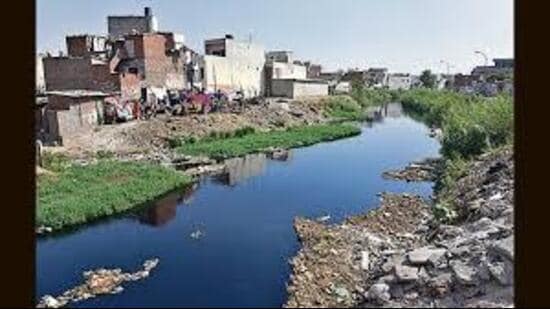
On September 25, 2024, the PPCB had ordered closure of three illegal CETPs run by the dyeing industry. These plants were dumping “highly polluted” wastewater into the Buddha Nullah, violating environmental laws and guidelines set by the Union ministry of environment, forests and climate change in 2013. Activists have raised concerns, claiming that despite such violations, the plants were still operating.
PPCB officials have also ignored earlier directives from the Central Pollution Control Board, the National Green Tribunal (NGT) and the Supreme Court which mandate zero liquid discharge from such plants.
RK Rattra, chief engineer of the PPCB, said, “We are in the process of taking action against the three common effluent treatment plants. The board has issued orders. We are waiting for instructions on the next steps.”
A few days ago, Kale Pani Da Morcha, a group of activists and NGOs fighting to reduce the pollution in Punjab’s rivers, submitted a memorandum to the Punjab governor. In the memorandum, they expressed concern over the lack of enforcement of orders from both the Central Pollution Control Board (CPCB) and the PPCB to shut down illegal CETP outlets being run by the dyeing industry.
{{/usCountry}}A few days ago, Kale Pani Da Morcha, a group of activists and NGOs fighting to reduce the pollution in Punjab’s rivers, submitted a memorandum to the Punjab governor. In the memorandum, they expressed concern over the lack of enforcement of orders from both the Central Pollution Control Board (CPCB) and the PPCB to shut down illegal CETP outlets being run by the dyeing industry.
{{/usCountry}}The group emphasised the severe pollution in Punjab’s rivers, especially Buddha Nullah, which remains a source of drinking water for many districts in Punjab and Rajasthan despite being contaminated. Activists also pointed out that various industrial units, urban local bodies and dairies are still dumping toxic waste into these rivers, violating environmental laws such as the Water Act of 1974. They criticised the authorities for failing to stop these harmful practices despite legal protections in place.