As a measure to curb stubble burning and boost clean energy, four compressed biogas (CBG) generation plants are set to be operational in 2026-27 in different districts.
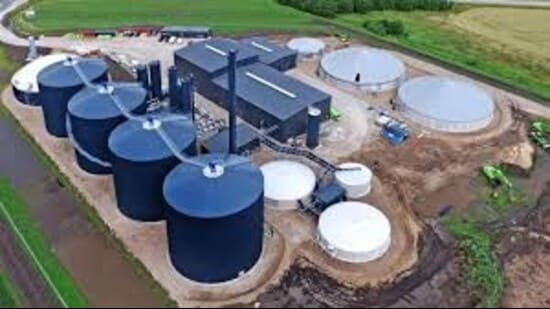
According to officials of the Punjab energy development agency (PEDA), once commissioned to full capacity, these upcoming plants will consume 1.08 lakh tonnes of paddy residue annually.
These plants — two in Ludhiana, one each in Moga and Hoshiarpur — will also generate 38 tonnes of CBG per day.
The plants are aimed at checking the burning of kharif crop residue and diverting paddy stubble to generate biogas.
To scale up the waste-to-energy initiative, PEDA has partnered with national Public Sector Undertakings (PSUs) such as GAIL (India) Limited, Hindustan Petroleum Corporation Limited (HPCL), and Bharat Petroleum Corporation Limited (BPCL).
PEDA’s nodal officer for CBG, Amarjot Singh, said that a total of 58 CBG plants have been given sanction, and six plants are already operational.
“The existing six CBG plants are consuming 3.5 lakh tonnes of paddy residue, and with the advent of another 4-5 plants this year, the overall consumption of organic biomass will touch around 5 lakh tonnes annually,” Singh added.
PEDA authorities said that in the next 2-3 years, Punjab will have 47 more plants capable of consuming 2.8 million tonnes of biomass as a long-term measure to mitigate the annual challenge of handling paddy residue.
{{/usCountry}}PEDA authorities said that in the next 2-3 years, Punjab will have 47 more plants capable of consuming 2.8 million tonnes of biomass as a long-term measure to mitigate the annual challenge of handling paddy residue.
{{/usCountry}}CBG produced from these plants will be supplied to oil companies as fuel for end users in the transport sector. Also, the organic manure byproduct has a market.
Experts said that a long-term mechanism for safe disposal of paddy residue, various tested mechanisms are being adopted.
A second-generation entrepreneur, who is investing in one such CBG project, said that while the potential of waste-to-energy plants to reduce stubble burning and generate renewable energy is significant, unfounded opposition to these projects is a concern.
The current crisis in the Middle East emphasised the requirement for this green energy transition to meet the domestic demand of the CBG. But resistance from pressure groups and panchayats presents a policy challenge for the investors and government,” said the investor, who didn’t wish to be named.