
 E-Paper



Punjab to reform its art education after 40 years
To lead this ambitious initiative, SCERT has partnered with Slam Out Loud, a national organisation recognised for its expertise in arts-based learning integrated with social-emotional learning (SEL).

 Prefer HTon Google


For the first time in four decades, Punjab is set to upgrade its state art curriculum and textbooks, the State Council of Educational Research and Training (SCERT), Punjab said on Friday, adding that the step is being taken for integrating local culture, heritage, and contemporary pedagogical practices into classroom learning.
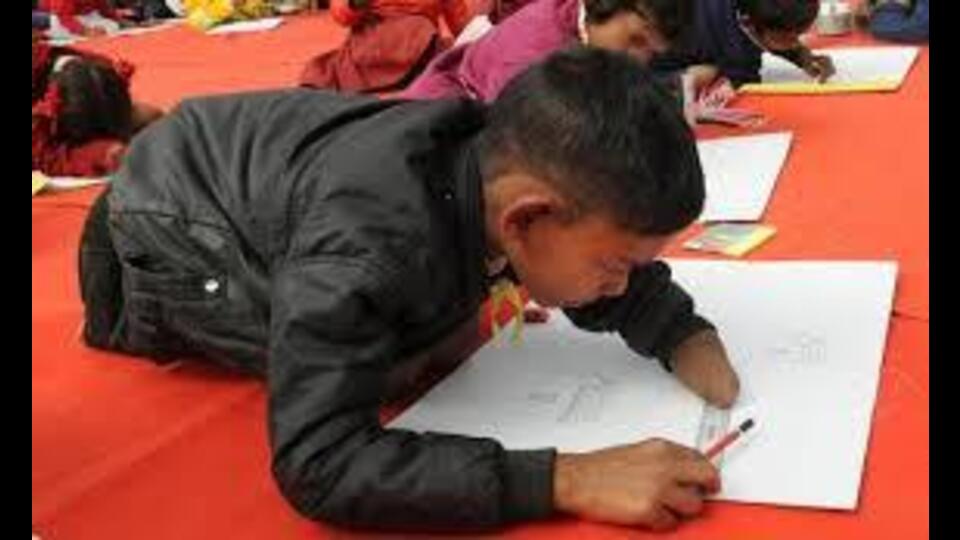
To lead this ambitious initiative, SCERT has partnered with Slam Out Loud, a national organisation recognised for its expertise in arts-based learning integrated with social-emotional learning (SEL).
As part of the curriculum reform efforts, SCERT has established a project management unit comprising two committees—a core committee and a working committee. The core committee, chaired by Rajeev Kumar, assistant director, AQT Cell, SCERT Punjab, includes art experts from across the state.
However on Friday, SCERT and Slam Out Loud formally inaugurated the working committee. The meeting focused on a collective reflection on the achievements and transformative work undertaken together over the past four years in strengthening art education in Punjab.
During the discussion, members unanimously noted that Punjab’s art textbooks have remained unchanged for nearly 40 years. Acknowledging this long-standing gap, the committee emphasised the urgent need to revive Punjab’s local and cultural art forms and preserve the state’s rich artistic heritage through a relevant, research-backed, and culturally rooted curriculum.
Members also reaffirmed that the new curriculum will be developed in alignment with the National Curriculum Framework (NCF) and the State Curriculum Framework (SCF).
The chairperson highlighted the importance of art not only as an independent subject but also as an essential component across disciplines. He stressed that art integrated education is vital for developing 21st-century skills, strengthening socio-emotional learning, connecting students to real-world contexts, and fostering a deeper appreciation of local and regional art forms.


