
 E-Paper



From lemon juice to toothpaste: Dermatologist Dr Akriti Gupta explains why DIY pigmentation hacks can be risky

 Prefer HTon Google


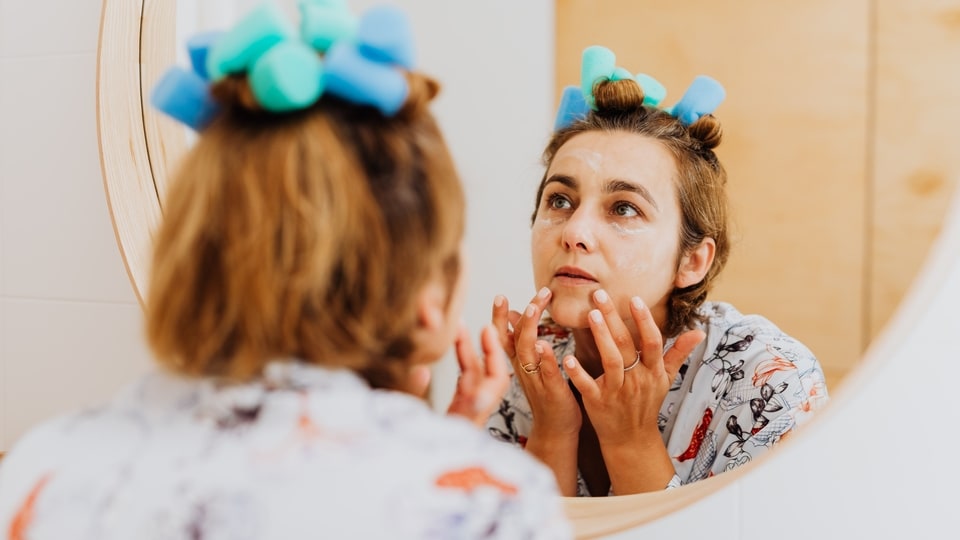
Internet is filled with skincare hacks that claim to fade dark spots and pigmentation instantly. However, Dr Akriti Gupta warns they can do more harm than good.
Social media is filled with DIY remedies that claim to fade pigmentation overnight – from rubbing lemon on your face to applying toothpaste, potato juice or homemade face masks. These quick-fix hacks are often presented as safe, inexpensive and highly effective. But while they may seem convincing online, treating pigmentation isn't one-size-fits-all, and many of these popular remedies can end up doing more harm than good.
HT Lifestyle spoke to Dr Akriti Gupta – the founder and chief dermatologist at Jivisha Clinic in Gujrawala Town and Yamuna Vihar, New Delhi – who says, “Pigmentation is not a one-size-fits-all condition. Before treating it, it is important to understand why it has developed in the first place. Following viral skincare hacks without knowing your skin type or the underlying cause can worsen pigmentation instead of improving it.”
She highlights that pigmentation can result from a number of causes, including excessive sun exposure, hormonal changes, post-acne marks, inflammation, certain medications, or underlying medical conditions. Treating every dark spot with the same DIY remedy is neither safe nor scientifically sound. The dermatologist outlines popular pigmentation hacks gaining traction on social media and explains why they can be risky when used without scientific knowledge.
Hack 1: applying lemon juice directly on the skin
Lemon is one of the most common home remedies promoted online for lightening dark spots because of its vitamin C content. Here’s why it’s a bad idea:
Dr Gupta explains, “Fresh lemon juice is highly acidic and can irritate the skin, especially in people with sensitive skin. It may damage the skin barrier, trigger inflammation, and even cause chemical burns. Exposure to sunlight after applying lemon can also increase the risk of pigmentation rather than reduce it.”
Hack 2: using toothpaste to fade dark spots
Some social media influencers recommend using toothpaste as a DIY remedy to lighten acne marks and pigmentation. The dermatologist stresses that this is a bad idea because toothpaste is meant to be applied on teeth, and hence contains ingredients ill-suited for facial skin.
Dr Gupta highlights, “Toothpaste contains ingredients formulated for teeth – not facial skin. It can lead to excessive dryness, irritation, redness, and allergic reactions. Damaged skin often responds by producing more pigmentation during healing.”
Hack 3: overusing exfoliating acids
Many skincare enthusiasts layer multiple acids and exfoliating products in the hope of speeding up pigmentation treatment. This is risky, says Dr Gupta, because excessive exfoliation weakens the skin's protective barrier. A compromised barrier increases sensitivity, redness, and post-inflammatory hyperpigmentation, particularly in Indian skin, which is naturally more prone to developing dark marks.
The dermatologist notes, “Healthy skin heals better than irritated skin. One of the biggest mistakes I see is people using multiple active ingredients together because they expect faster results. In reality, over-treating the skin often delays recovery and worsens pigmentation.”
Hack 4: skipping sunscreen when indoors
Many people believe sunscreen is only necessary when spending time outdoors. According to Dr Gupta, this is misleading because ultraviolet rays can penetrate through windows, and visible light may also contribute to pigmentation in susceptible individuals. Even the best pigmentation treatment will have limited success if sun protection is ignored.
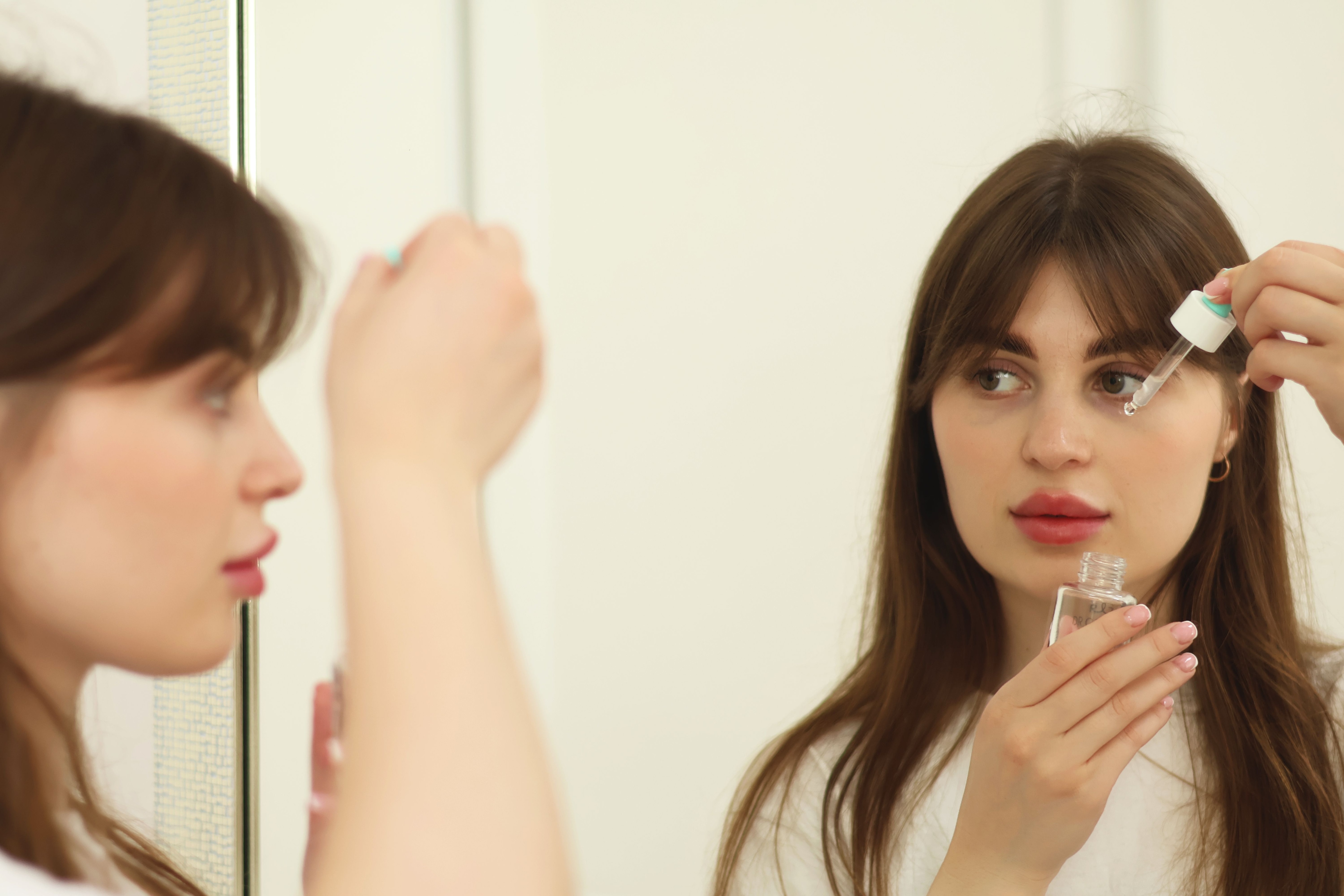
Hack 5: trying every viral product without professional advice
Pigmentation treatments regularly trend on social media, ranging from homemade face masks to high-strength serums and chemical peels. However, Dr Gupta advises approaching these remedies with caution, as not every active ingredient is suitable for every skin type, and using the wrong one can do more harm than good.
She explains, “Not every active ingredient suits every skin type. Conditions like melasma, post-inflammatory pigmentation, freckles, and tanning require different treatment approaches. Self-diagnosis often leads to delayed improvement and unnecessary skin damage.”
What actually helps clear pigmentation
Instead of chasing overnight results, Dr Gupta recommends a consistent, evidence-based skincare routine. A safer approach includes:
- Daily use of broad-spectrum sunscreen.
- Gentle cleansing and regular moisturising.
- Using dermatologist-recommended ingredients such as vitamin C, niacinamide, azelaic acid or prescription treatments where appropriate.
- Identifying and treating the underlying cause of pigmentation.
- Avoiding harsh DIY remedies and unnecessary experimentation.
Pigmentation usually develops gradually, and improvement also takes time. Expecting instant results often pushes people towards unsafe shortcuts.
“Social media can be a great source of skincare awareness, but it should never replace personalised medical advice. Pigmentation is treatable, but successful treatment depends on the right diagnosis, patience, and a scientifically guided skincare plan – not viral hacks. When in doubt, consult a dermatologist before trying the next trending remedy,” concludes Dr Gupta.
Note to readers: This article is for informational purposes only and not a substitute for professional medical advice. Always seek the advice of your doctor with any questions about a medical condition.
Dr Akriti Gupta is a highly qualified dermatologist and cosmetologist with over a decade of clinical experience, primarily practicing at Jivisha Clinic in Yamuna Vihar, East Delhi. She specialises in anti-aging treatments, acne solutions, laser procedures, and advanced skincare therapies.


Catch your daily dose of Fashion, Taylor Swift, Health, Festivals, Travel, Relationship, Recipe and all the other Latest Lifestyle News on Hindustan Times Website and APPs.


