
 E-Paper



Roundabout: Singing sisters who took women’s songs out of the homes into the wide world
Born in the walled city of Lahore, Prakash Kaur and Surinder Kaur broke the glass ceiling for women singers of Punjab

 Prefer HTon Google


Punjab has always had a rich tradition of folk music, one that goes all the back into the times of singing tales of love and valour by jogis, dhadis, kissagos, mirasis and bhaands to the rhythms provided by traditional instruments like tumba, chimta, sarangi, dholak, algoza and so on.
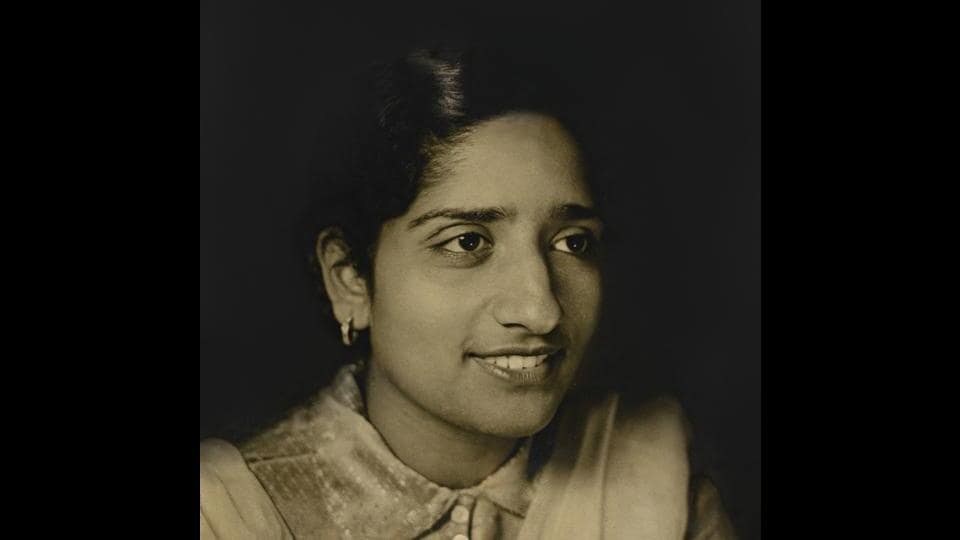
However, singing by women was long confined to the kothas or the brothels, where many women were trained in classical music. In homes, women sang the traditional folk to mark happy social occasions like birth and marriages in mostly all-women gatherings which were not even joined by the male relatives. Even the mirasans would sing among the women. This led to the post colonial nomenclature of the “ladies’ sangeet”, which made for an important function in the lead-up to weddings throughout our childhood in the 60s and 70s. It was a merry congregation with singing, cursing and jokes, which were often risque. Thrown in the new open world, it is just “sangeet”, free for men and women with song and dance.
The old order changeth
If we look back, there are timeless folk songs of Punjabi composed by unknown women that are sung with gusto behind doors at times of functions and happy occasions. These indicate that there always were women poets, composers and singers of folk songs that were close to feminine life. In these songs they found catharsis for their joys, sorrows and also grudges.
It always takes someone to change the old order. In the world of Punjabi folk, it was Prakash Kaur (1919-1982), who in turn was inspired by her mothers dholak songs and the lilting music of the rabab-playing women at family functions.
Living in Arya Nagar near the Bhati Gate Colony of the walled city of Lahore, she expressed her desire to learn music. The father, a professor, resisted, but her brother, a police officer, intervened and her wish was fulfilled and she debuted on Peshawar Radio in 1941. There was no looking back.
Younger sister Surinder Kaur debuted with her sister at Lahore Studio in a duet, the first of many. The song, “Madhaniyan”, a heartrending composition narrating bridal parting would bring tears to a million feminine eyes. The younger sister had arrived and went on to win accolades including the Sangeet Natak Akademi Award, the Padma Shri and the title of “The Nightingale of Punjab”.
The songs with which the sisters conquered the Punjabi musical world of the Radio days spoke of the dreams, desires and sorrows of women in a patriarchal culture and also provided them catharsis and some fun and joy. These numbers composed by anonymous women were the lifeline of the second sex providing an outlet for their dreams and desires got recognition from the social system and today they hold a mirror to the times that were. Besides, they are a repository of the immense passion and talent of the unknown women who wove the words into music.
Surinder Kaul was to recall: “My older sister made things easier for me in a way. Those were the days of Shamshad Begum, Zeenat Begum and Umraia Jaan, all very great singers in their own right, but all coming from families of professional singers and thus singing was no taboo for them. Prakash Behanji was the first “Kaur” to break the taboos of her community and sing on the radio. And hold her own among the abundant talent.”
“Madhaniyan”, in particular, has remained immortal and there is an interesting memory that her granddaughter Sunaini Sharma recounts: “In 1993, my singer mother Dolly Guleria and I accompanied my naani (grandmother) to the UK and the US for concerts as a celebration of her 50 years of singing. When we sang this particular song, my mother’s eyes had tears and women among the audience were weeping and a few were sobbing loudly.” Such is the power of the song.
Her legend lives on
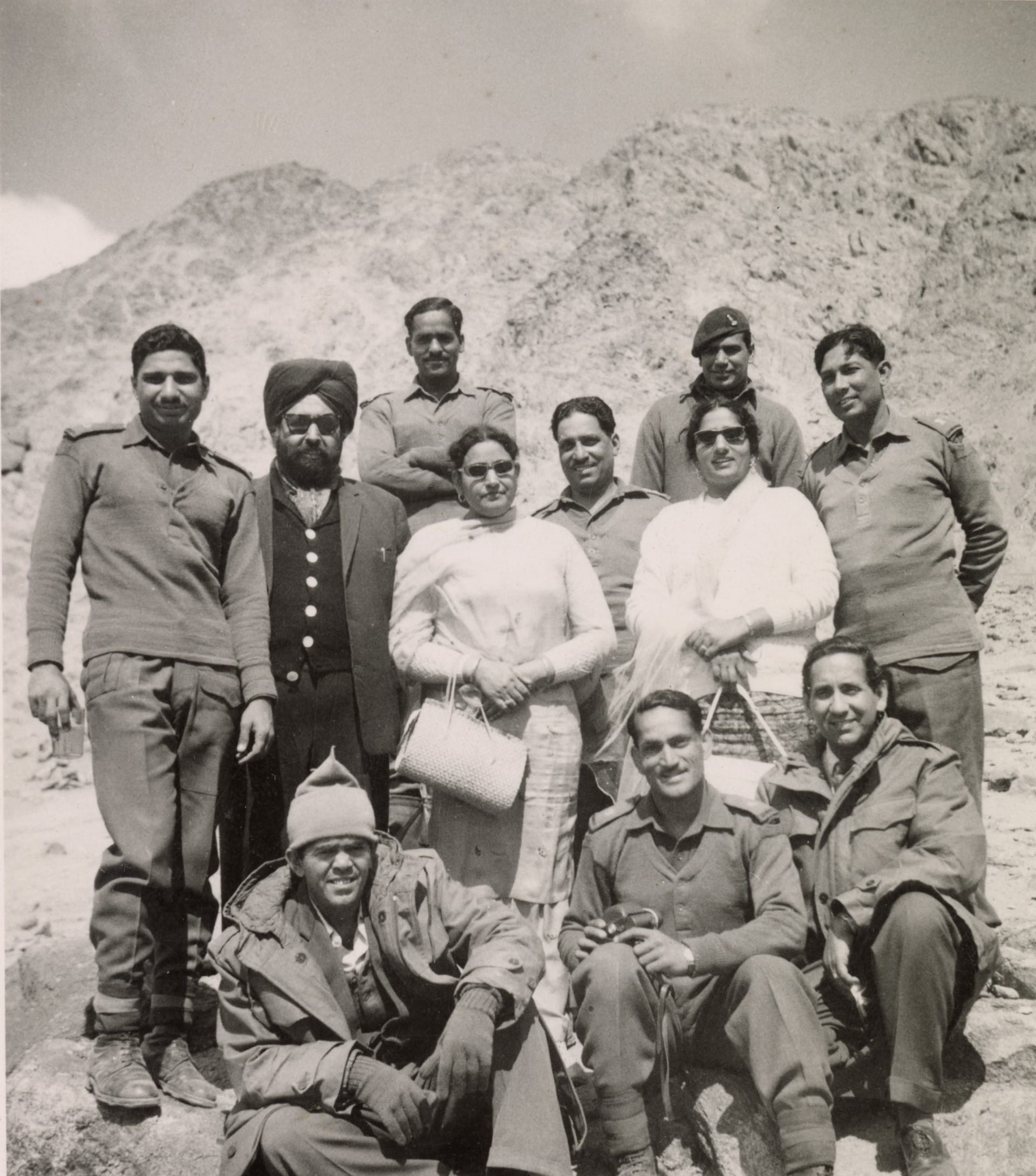
The legend of Surinder Kaur lives on as do her songs in Punjab here and in Pakistan. For the tricity, it was a special honour when she chose to make the Panchkula her home. She sang almost till her last breath.
A parting anecdote from her journey; Once during a concert in the US with her daughter, a couple originally from Lahore, came up to Kaur with an unexpected gift. It was a family album left behind in Kaur’s Arya Nagar home, which the family was allotted at some point. Finally, they had gotten a chance to present her the invaluable momento.


