
 E-Paper



Spice of life: On a wing and a prayer, nurturing nature’s nest
The next few days, she and I, the mama bird and the mama of the house, slipped into a silent routine. She would leave in the mornings to scour for food, and I’d walk towards the nest, and peek at her four little nestlings.

 Prefer HTon Google


As our little one jumped up and down in excitement, we rushed outside to see the reason for her joie de vivre. “Mama, Look, a nest outside our window!” A delicately entwined twig nest sat atop the security lights outside the kitchen window. The mama bird, a majestic grey and orange American robin perched herself expertly on the rim of the nest, while her little ones clamoured for food and attention with their beaks wide open and necks craned upwards. Not wanting to put the mama bird on high alert by all our commotion, we decided to quietly tiptoe our way back into the house.
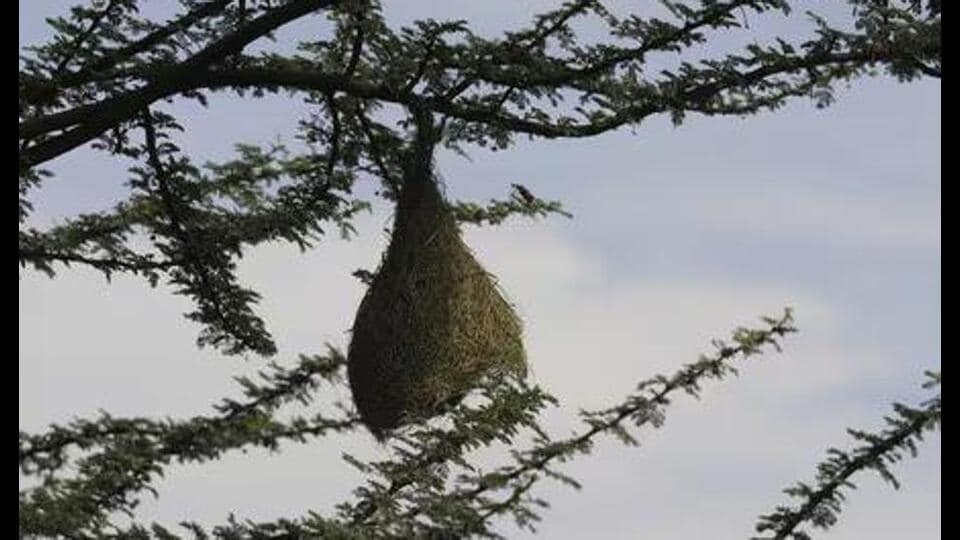
The next few days, she and I, the mama bird and the mama of the house, slipped into a silent routine. She would leave in the mornings to scour for food, and I would walk towards the nest, and peek at her four little nestlings. I would put little pieces of bread or roti on the kitchen sill and go back in. “See, the baby birds remain in their nests without an adult all day. Yet, you won’t find them telling their mother they are bored. You both need camps and books and toys and Netflix to keep you busy in the summer vacation,” I chide both our girls, secretly admiring the bird’s faith in the universe, that her young ones will be protected while she is away.
It is reminiscent of a line in Gurbani that urges us to remember that Waheguru provides for everyone’s sustenance, which is why flamingos are able to fly hundreds of miles away, leaving their young ones behind.
The mama bird would return in the evenings when all of us played badminton in the driveway. In fact, we realised there was a papa bird too, and both of them would take turns in feeding their young ones. Their nestlings would be fed, while ours would expend their energy in the sport. In between, we would go near the nest to catch a glimpse of the swiftly growing birdies, while the parent birds watched us from the branches of a distant tree. We were a part of the universe they had faith in.
One morning, when I visited the fledglings at my usual hour, they were stretching their newly formed wings. Soon they will be ready to fly out, I thought, bittersweetly. It is a reminder of how easily one tends to believe in the permanence of ephemerality. The birds leave once they learn to take flight. That is the design of nature. The nest remains. Another robin might choose to make it home next spring, if the home survives. Irrespective, there remains a deep sense of gratitude that the robins had chosen our home to be a safe space for them to give birth and raise their young ones. It has been an honour.
I find resonance in Asad Badayuni’s sheyr:
“Parind ped se parwaz karte jate hain
ki bastiyon ka muqaddar badalta jata hai.”
seeratsandhu25@yahoo.com
The writer is a freelance contributor


