
 E-Paper



Wildbuzz | Gamblers from the PEC gardens
Monsoons had created numerous pools of tea-brown water. In them were marooned fishes, not more than a few inches long and known as Striped Dwarf fish (Mystus vittatus)

 Prefer HTon Google


Balanced uneasily on a motorbike, the trio had driven 20 km from Punjab Engineering College (PEC), Chandigarh. They were ready to brave mud and mosquitoes on a Sunday afternoon in the remote backwaters of Siswan Dam. They were migrants from the Hindi heartland states and eking out a living as gardeners at PEC. They had come armed with the desire of wiling away their time by gambling with teeny-weeny lives.
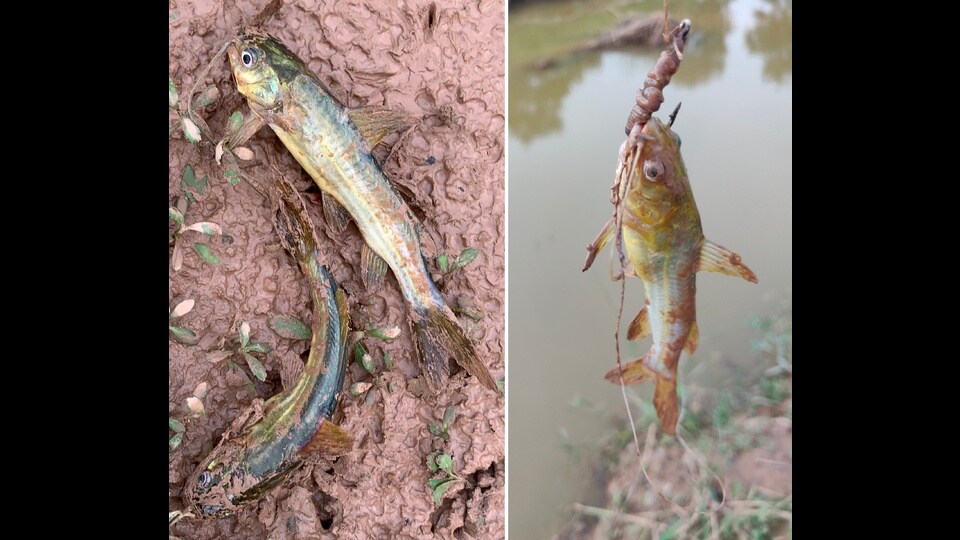
Monsoons had created numerous pools of tea-brown water. In them were marooned fishes, not more than a few inches long and known as Striped Dwarf fish (Mystus vittatus). The three musketeers were baiting them with earthworms dangled on improvised fishing lines, sans rods. But how many hooked?
They landed a few after a sweaty vigil under the sultry sun and cursed the cards chance had dealt them. They could well have been playing cards in the shade pool of a mango tree back at PEC. The finger fishes would be lean on flesh and dense in spines. The trio’s taste buds would be under challenge later that night. The catch would be fried and downed with stiff liquor pegs, as is the vaunt of plebeian anglers.
“Sir, it is ‘juaa’ (a gamble). The water is muddy and we see nothing of what goes on under. We move from pool to pool. If lucky, we land 20-25 fish. On other Sundays, when the fish don’t bite or have been hooked by fishermen before us, the catch is 7-8. But it is time well spent, what else do we do on a Sunday? Fishing is a novelty for us,” a gardener told me with a deadpan look on his coffee-tan face while character assassinating the targets as “cunning as foxes”.
After pulling out the fish, the gardeners let them bounce and writhe till they died 30 minutes later. Streaks of blood tainted the earth from mouths tempted and torn by hooks. One fish went real still, too soon, and I prodded it. It jerked to life and arched like a taut rainbow in a last, defiant shake of the fist against fate.
Lost, somewhere in a tree
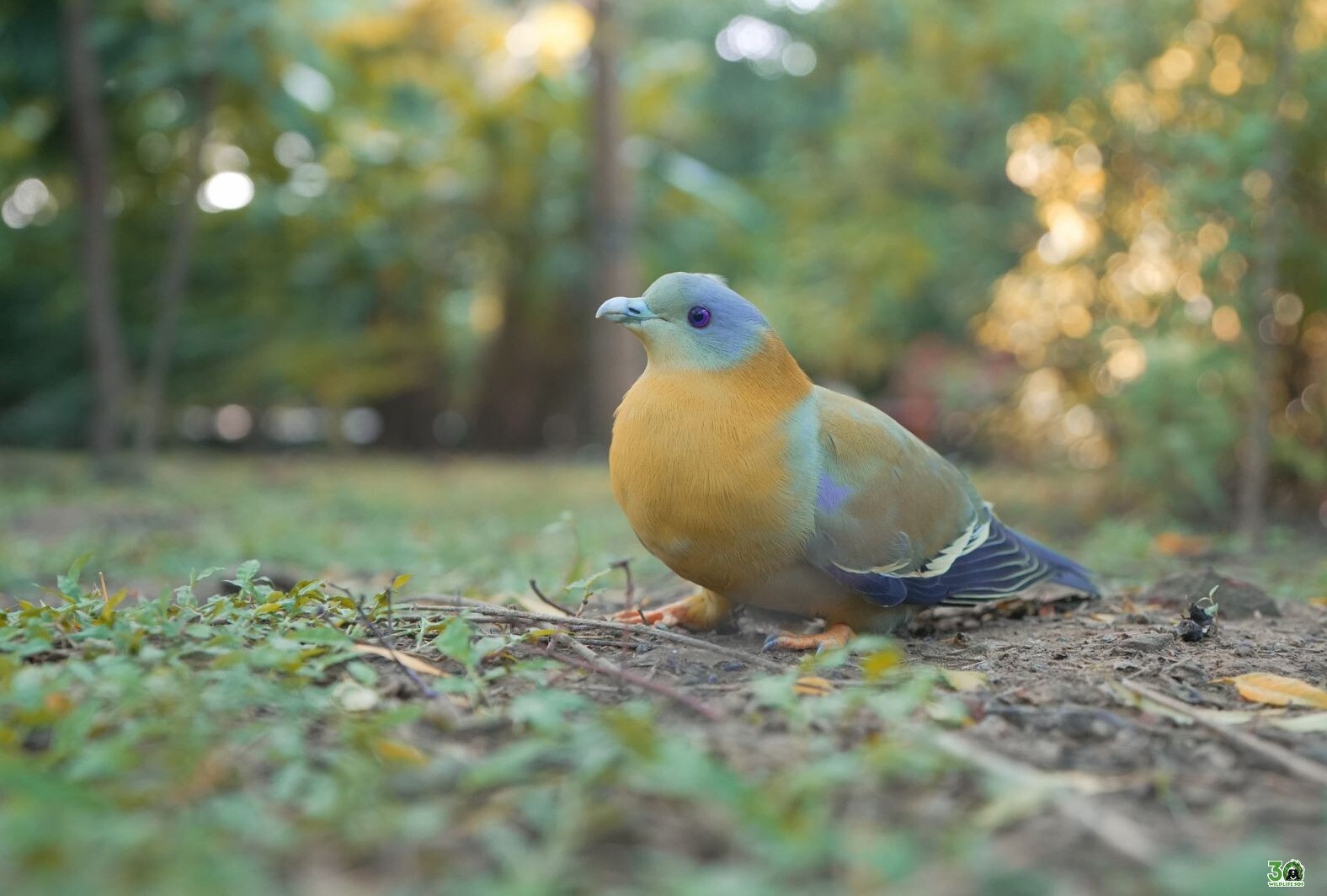
The head of this bird is coloured so, as if it had bowed to warm ashes in a cremation ghat. The shoulder wing epaulettes flash a lilac patch, and that leaves one wondering at nature’s ever so delicate touch. The body is dominated by a wash of emerald and mellow gold, as if a piece of a Pacific isle had soared and landed on a backyard banyan. The whistle is a soft, low, mellifluous one, as if a Krishna hiding in the leafy boughs was alluring ‘gopis’ bathing in the river with a beak for a flute.
The Yellow-footed green pigeon (Hariyal) is a dazzler. The bird renders yeoman service to forest regeneration by dispersing seeds of fruits far and wide, lest the saplings’ growth is stunted in the shadows cast by their giant tree fathers. Though not a rare bird, and prone to frequenting fruit trees of cities, the Hariyal is invariably missed over as it virtually melts into the foliage. It is also overshadowed by its cousins, the exploding numbers of common pigeons thriving on grain hand-outs from humans at the crossroads. The latter are disparagingly referred to as ‘rodents of the skies’ and instigators of fatal lung diseases in city dwellers.
On rare occasions, when the gentle veil of leaves slips off the Hariyal and it comes to the ground, it charms the human eye unaware of its ‘navrang’ hues. One was rescued from the Prime Minister’s residence in New Delhi last week after it was discovered disoriented in the lawns. The President of India’s website, too, lists Hariyals as “quite common in the President’s Estate”.
Though reckoned a commoner by ornithologists and not very worthy of their concerns, the Hariyal staved off a challenge to its status as Maharashtra’s state bird. The Bombay Natural History Society had championed its replacement by an endangered species, the Forest owlet. However, the Maharashtra forest department cited cultural, spiritual and folklore significance, widespread presence, and a vital role in forest ecology to retain Hariyal as the state’s envoy.
The Hariyal is particularly partial to ficus figs. Dr Salim Ali wrote of a specimen with a dozen banyan figs in its turgid crop! The Hariyal’s crop had burst with ground impact after it was downed by a shotgun, thereby facilitating the count of an astonishing number of figs.
vjswild2@gmail.com


