
 E-Paper



Wildbuzz | The mysterious, elegant water shrew
The elegant water shrew is aptly named. The way they swim and vanish in a glimpse is astoundingly beautiful and elegant. Unlike other water shrews, the mysterious creatures have a fin-like tail with fringed hair to enhance mobility and navigation across a water channel

 Prefer HTon Google


Most of us have had unpleasant encounters with the house shrew or ‘chhuchhundar’ / ‘gheece’ as it is known in the vernacular. The creature creeps into rooms after dusk and steals along the sides of the walls, as if trying to muster enough courage to venture into the middle but never managing to do so. It secretes a musky odour from its glands, which is repugnant to human nostrils. Especially so, on cold winter nights when ceiling fans are stilled, and flatulence and shrew odours take long to dissipate.
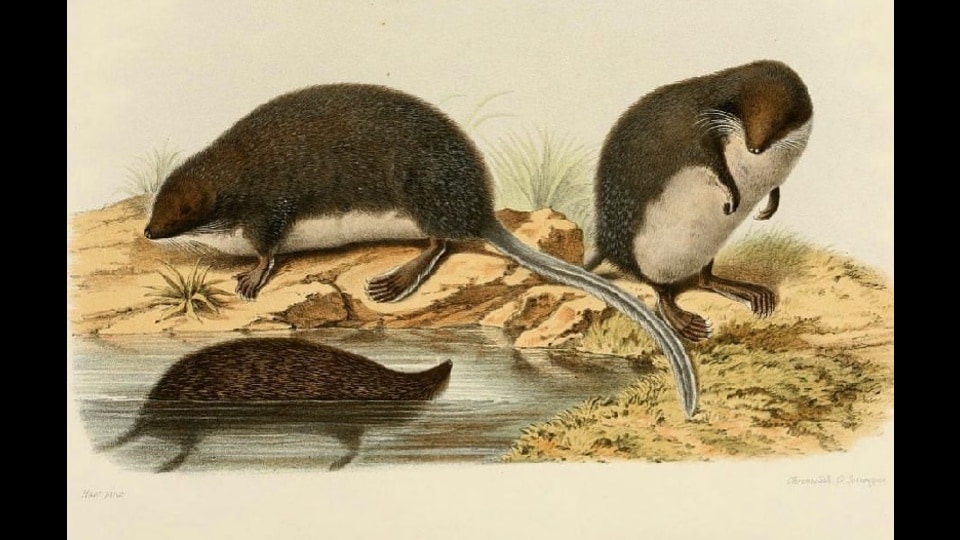
Fact is, the shrew for all its odours and ‘repulsive’ looks rids houses of cockroaches and keeps rats at bay. If most of us are ignorant about the shrew’s role as a pest controller existing right under our noses, its remote cousin species, the elegant water shrew (Nectogale elegans), would but naturally attract the tag of complete mystery! Highly adapted to a life in mountain currents, the very elusive elegant shrew has defied popular human awareness as it is seldom clicked by cameras and very rarely gets trapped in fishing nets. An intrepid field researcher, Aashna Sharma – an alum of Panjab University’s zoology department who has studied fishes at Harike Wildlife sanctuary — stumbled upon the elegant shrew while she was assessing the effect of climate change on the snow trout in the pristine Uttarakhand wilderness.
Currently employed as a Senior Research Fellow at the Wildlife Institute of India, Dehradun, Sharma could not believe such a creature existed till her local fisherman enlightened her! “Often, Nature and its creatures are better known by local people who have spent their lives in the neighbouring wilderness. When my fisherman, Suman, told me about the ‘paani ka chooha’, I doubted him. I had never heard of rodents that dwelt in water! But Suman was sure about his observation and asked me to wait, and be patient. He simply said, ‘Niklega fir se’. I waited, staring at the small pool on the Jamak stream, even as Suman nonchalantly enjoyed a cigarette. Suman told me that throughout his life (he was nearly 56 years old then), he had seen this ‘chooha’ just six times! Lo and behold…there it was again. I saw a greyish-black shrew swim past a small boulder, capture a snow trout fingerling, and make its way across the pool to take shelter under another small boulder,” Sharma told this writer.
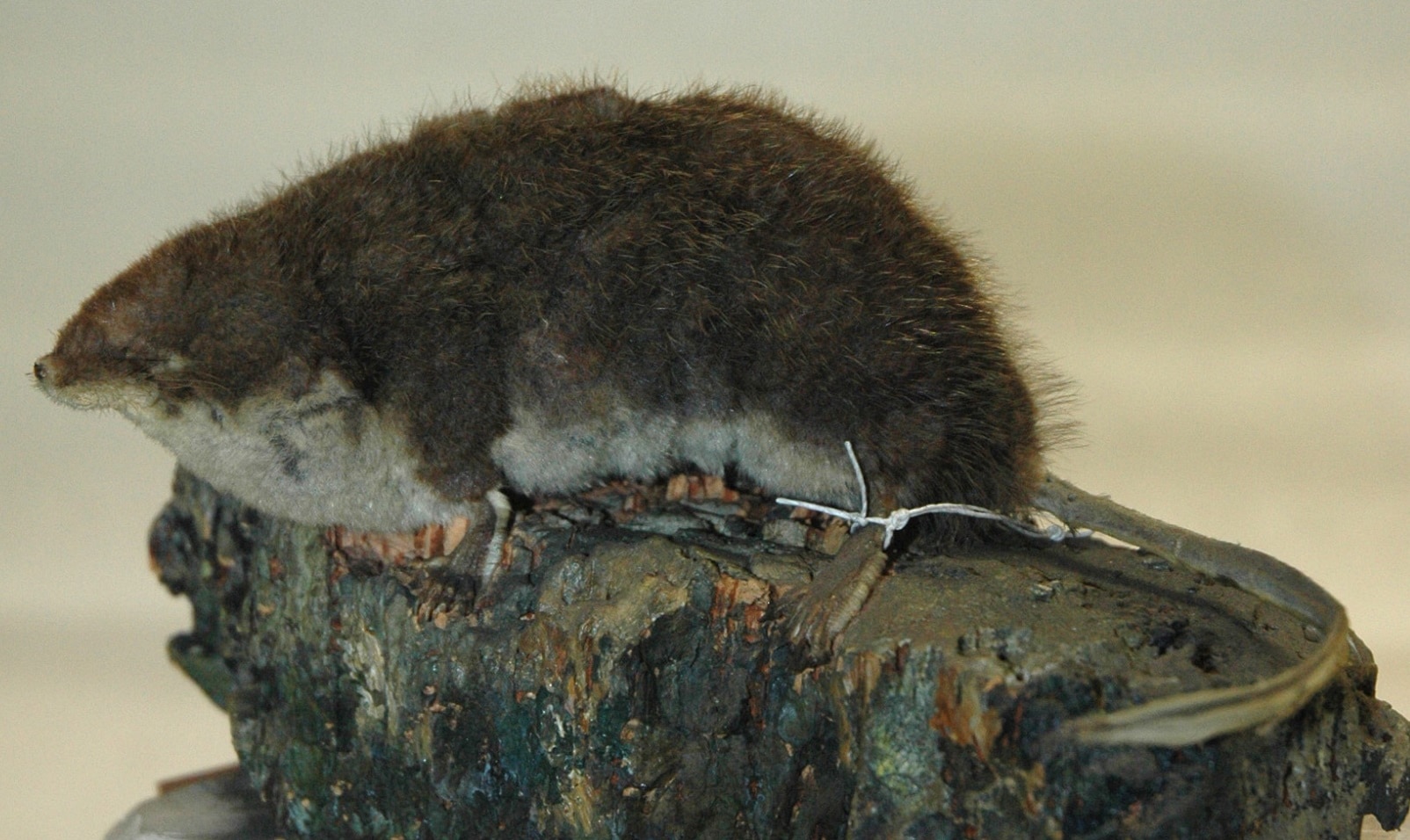
An excited Sharma quickly ascended a nearby mountain peak to secure signals on her cellphone. She Googled for a water rodent. Yes, Suman was right. There were 13 species of water shrews worldwide of which two, the elegant water shrew and Himalayan water shrew, are found in India. Prior to Sharma’s chance sighting in Uttarakhand, previous records showed the elegant occurring only in Sikkim and Arunachal Pradesh. Sharma went on to co-author a research paper on the elegant shrews’ occurrence in the western Himalayas, which was published in the ‘Journal of Threatened Taxa’.
“The elegant shrews are aptly named. The way they swim and vanish in a glimpse is astoundingly beautiful and elegant. Unlike other water shrews, they have a fin-like tail with fringed hair to enhance mobility and navigation across a water channel. Of the 13 species of water shrews, the elegant shrew is the only one to possess webbed feet with flaps of skin folds connecting their digits, just like ducks. Highly adapted to aquatic habitats, the elegant shrew employs an efficient strategy of swimming upstream against the current, capturing prey and then drifting downstream with the same current. On the other hand, the Himalayan shrew is a good diver but cannot stay in water for such long stretches, and does not capture prey and then drift downstream. It swims about in the same area for some time before moving towards the shore, where it spends part of its time. The elegant shrew uses the shore only to reach its burrow in the banks as its preferred mode of mobility is water streams. It has a limited capacity to forage and spend time on land,” added Sharma.
Eager to catch an elegant water shrew specimen for further studies, Sharma set up rodent traps along the banks as she was unable to detect their secretive burrows. “I did this for a week and monitored those traps morning and evening. But not one fell for the traps. I guess they are cleverer than we humans are! After all, they have existed on Earth before we came in!’’ said Sharma.
vjswild1@gmail.com


