
 E-Paper



30% women’s quota bill under governor’s consideration: Raj Bhavan rebuts reports
During the winter session, the Uttarakhand assembly on November 30 passed the bill providing 30% horizontal reservation to domiciled women citizens of the state.

 Prefer HTon Google


A bill to provide 30 % horizontal reservation to domiciled women citizens of Uttarakhand is still under the consideration of governor Lt Gen (retd) Gurmit Singh, a senior official in the governor’s office said on Wednesday in response to reports that the bill has been returned to the assembly in view of what was described as “grammatical mistakes and issues with the technical language” in the bill.
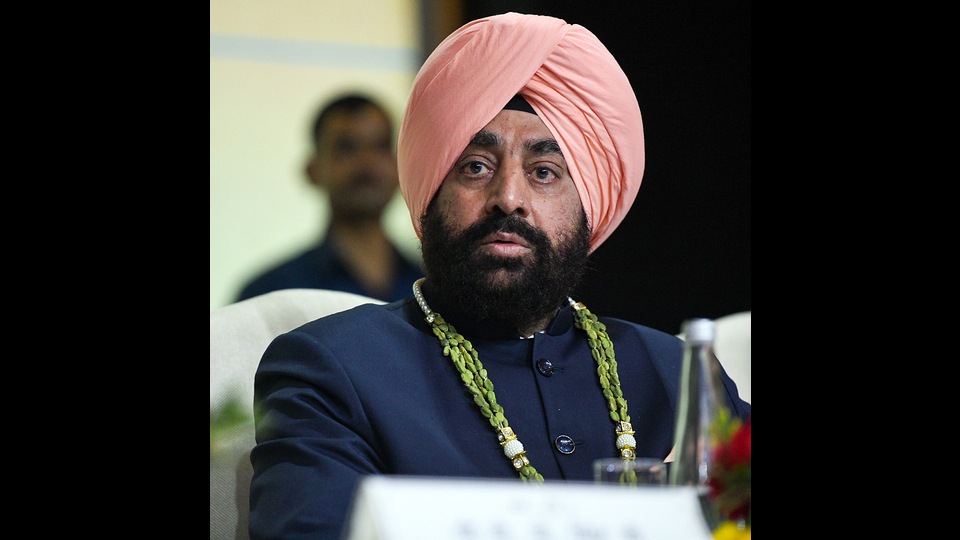
During the winter session, the Uttarakhand assembly on November 30 passed the bill providing 30 % horizontal reservation to domiciled women citizens of the state.
During the debate on the bill, Bharatiya Janata Party (BJP) MLA Munna Singh Chauhan said there was a need for an explanation in the bill on whether 30% reservation will be applicable above the percentage of women who will get jobs in the general category.
“If women get 20% of jobs in the general category, will 30 % reservation be provided to the women in addition or just the remaining 10 %”, he had said.
According to the Uttarakhand Public Services (Horizontal Reservation for Women ) Bill 2022, for direct recruitment in public services and posts, in the vacancies to be recruited, 20 % horizontal reservation would be given till July 24, 2006, and 30 % after that in favour of the women candidates permanently domiciled in Uttarakhand.
Elaborating on the need for the reservation for women, the bill stated that “in order to ensure social justice, equality of opportunity, improvement in living standards, a bill is proposed to provide 30 % horizontal reservation to the women of the Uttarakhand in state services”.
On October 12, the state cabinet authorised CM Pushkar Singh Dhami for bringing an ordinance on the issue of women’s reservation in the state government jobs. The move followed developments in HC, where the women’s reservation had been challenged.


