
 E-Paper



Courts can’t convict on emotions, bound by evidence, says Supreme Court
A three-judge bench of the apex court made the remarks as it considered a batch of appeals in relation to a caste massacre in Bihar in 1998.


A judge cannot be swayed by his or her emotions in convicting an accused, the Supreme Court emphasised on Thursday, adding a court is bound by the quality of evidence brought before it by the prosecution and the law.
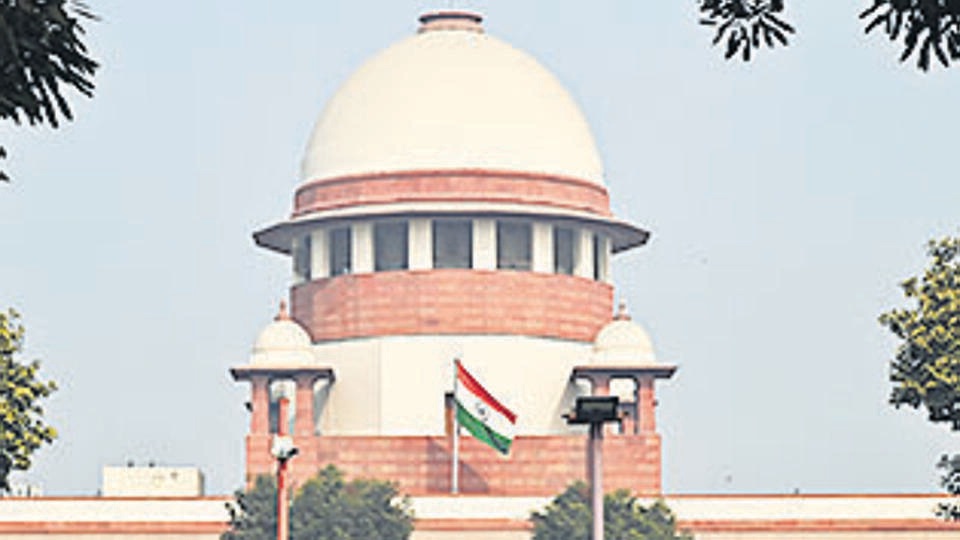
“A court cannot say we will convict you because we feel like it. A court is bound by the quality of evidence laid before it. If the investigating agency does not do its job properly or the prosecution is weak, there is very little a court can do,” said a bench, headed by justice Sanjay Kishan Kaul.
The bench, which also comprised justices AS Oka and BV Nagarathna, added: “We cannot be the prosecutor nor can we be the defence counsel. Our endeavour is to provide a level playing field so that both sides can aid a court in delivering justice.”
The bench’s remarks came as it considered a batch of appeals in relation to a caste massacre in Bihar in 1998. The massacre, which claimed 10 lives in Bihar’s Bhojpur, involved extremists from Ranveer Sena – a militia comprising upper caste groups, which allegedly killed victims belonging to Scheduled Caste and other lower castes. Three accused were sentenced to death by a trial court in 2010 but the Patna high court ordered the acquittal of these accused three years later.
Arguing for the informant in the case, senior counsel Colin Gonsalves on Thursday lamented that the courts in Bihar have failed to deliver justice in cases of caste massacres when victims belonged to lower castes. “In Bihar, there have been massacre after massacre of people from the Dalit community and there are acquittals after acquittals. Something has to be done,” he argued.
“That is why we need to strengthen the legal aid system,” retorted the bench, referring to its judgment from last year when it set up a three-member committee, to be headed by the member secretary (a judicial officer) of the Maharashtra State Legal Services Authority, to ascertain all victims of the 1992 Mumbai communal riots are given compensation.
To this, Gonsalves complained that the members of Dalit community do not get the legal representation.
“We have, therefore, been strengthening the legal aid system. But there are other issues too. Suppose a party engages a counsel, then we cannot thrust a legal aid counsel. And if the lawyer does not perform his task well, there arises an argument of inadequate or improper legal representation...Thus, sometimes, we need to strengthen the prosecution, and sometimes, the defence. We have to protect the system like that,” replied the bench.
The case was, however, adjourned for February 15 for want of submissions by the accused in the case. Advocate Abhinav Mukerji appeared on behalf of the Bihar government in the matter and said that the state is willing to argue its appeal against the 2013 acquittal order.
Speaking at the valedictory function of the First All India District Legal Services Authorities meeting in New Delhi in July 2022, justice Kaul had stressed that keeping people behind bars cannot be the panacea for a flawed and weak prosecution. The judge pointed out that almost 70% criminal cases end up in acquittal, adding that the prosecution ought to be more innovative and scientific in its approach.



