
 E-Paper



Delhi Covid action plan to kick in if positivity rate above 0.5% for 2 days
Delhi on Friday added 249 cases of Covid-19, the largest single-day spike since June 13.

 Prefer HTon Google


With the Covid-19 test positivity rate in Delhi touching 0.43% on Saturday, the Capital is close on the heels of the minimum threshold required for measures to kick in under the colour-coded graded response action plan to curb the spread of Covid-19. District officials in the city said they are ready to implement the curbs, which include restrictions on movement, curbs on markets’ operational hours, as well as closing educational institutions, if the need arises.
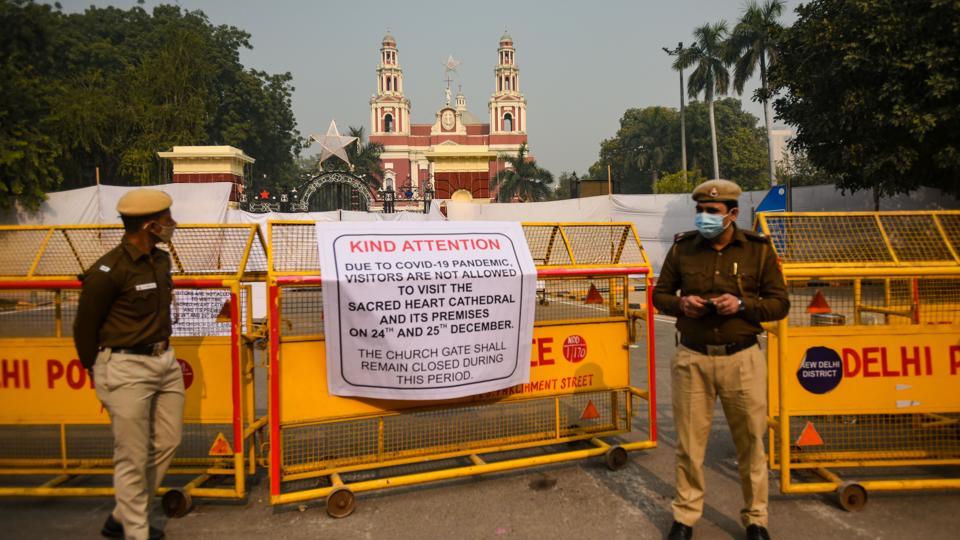
Delhi on Friday added 249 cases of Covid-19, the largest single-day spike since June 13, when the city logged 255 infections, showed data from the state government’s daily health bulletin.
The fresh infections on Friday came at a test positivity rate of 0.43%, the highest since June 9.

The action plan spells out four different levels of economic restrictions that will come into force at different levels based on the positivity rate. The first level of curbs, classified as a ‘Yellow Alert’, will be imposed when the positivity rate breaches 0.5% and stays above it for two consecutive days. The highest level is a ‘Red Alert’, which will come into play when the positivity rate breaches 5% and stays so for two consecutive days.
In the event of a yellow alert, all educational institutions will be closed, and markets will be allowed to open only at specified times, and may only operate on an odd-even basis.
The number of passengers allowed in the Metro will be limited to 50% of seating capacity, and only two will be allowed in taxis and autorickshaws. A night curfew will also come into effect.
A district official said the plan is now part of standard protocol to handle a surge in Covid-19 cases, and multiple enforcement, mobilisation and awareness teams have been deployed in all districts.
“The measures will be implemented as soon as the Delhi Disaster Management Authority’s (DDMA) order is out. Our teams will spread awareness and ensure the measures are strictly complied with,” said the official.
A revenue department official who asked not to be named said, “DDMA will issue a formal order communicating the restrictions applicable under the yellow alert, and the restrictions will be implemented by district authorities.”
Traders fear the curbs will be a blow to them, especially during peak shopping season. Confederation of All India Traders general secretary Praveen Khandelwal said a night curfew and other Covid restrictions will hit businesses already reeling under the impact of previous lockdowns.
“The domestic trade across the country is on the verge of recovery after being battered by lockdowns. Restrictions on travel in the Metro will affect the footfall at markets. Restrictions on hotels and other business will also hit employment,” said Khandelwal, adding that traders are of the considered opinion that night curfew has no meaning and the states should desist from such a move


