
 E-Paper



Delhi Jal Board focuses on six drains to curb Yamuna pollution
The most polluted part of the Yamuna in Delhi, a 22km stretch between Wazirabad and Okhla, receives effluents from dozens of drains, with Najafgarh and Shahdara accounting for the highest shares

 Prefer HTon Google


New Delhi
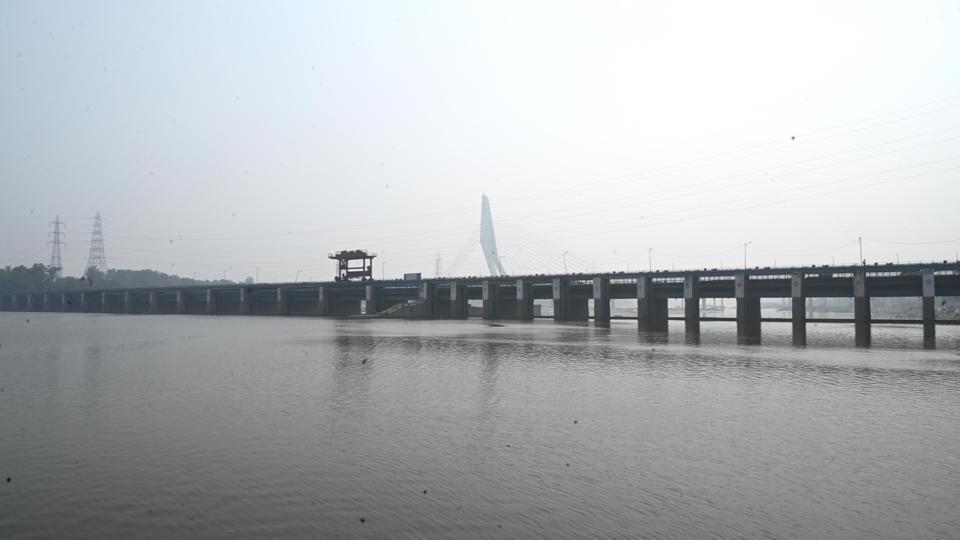
The Delhi Jal Board (DJB) will focus on in-situ treatment of wastewater of six major polluting drains as part of the Yamuna rejuvenation plan, senior government officials said, namechecking the ISBT drain, Supplementary, Shahdara drain, Dilli Gate drain, Sen Nursing home drain and Najafgarh drain as the key culprits.
The DJB has invited expression of interest, seeking technological solutions, to treat drains and sub-drains with direct outfall into the Sahibi (Najafgarh drain) and the Yamuna, officials said. The tentative cumulative effluent discharge of these six drains is more that 1051.59 MGD (million gallons per day), which is much higher than the current estimated sewage generation and installed treatment capacity.
The most polluted part of the Yamuna in Delhi, a 22km stretch between Wazirabad and Okhla, receives effluents from dozens of drains, with Najafgarh and Shahdara accounting for the highest shares. “The objective is to achieve water quality standards prescribed by CPCB for all major parameters using innovative and eco-friendly technologies. If these six drains are treated, a large chunk of wastewater falling into Yamuna will be taken care of,” an official said.
According to the bids invited by the DJB, the estimated discharge to be treated at Najafgarh drain is 632 MGD, 204 MGD at Supplementary drain, 97 MGD at Shahdara drain, 86 MGD at Delhi Gate drain, 26.32 MGD at Sen Nursing home drain and 6.27 MGD at the ISBT drain.
The Shahdara drain and the Sen Nursing home drain are the most heavily polluted ones, with BOD (Biochemical Oxygen Demand) of 112 mg/L and 124 mg/L. The COD (Chemical Oxygen Demand) in these two drains is as high as 342 mg/L and 327 mg/L.
The DJB in its project report stated that the desired outlet parameters in all six drains will be brought down to 10mg/l for BOD, COD to 50 mg/l, and TSS (Total Suspended Solid) to 10mg/l, with pH values of 6.5-9.0. The faecal coliform level will be brought down to less than 230 MPN/100m with a phosphate level of 2mg/l, the report states.
The companies will be free to choose one or more of these six drains. “They will not only prepare comprehensive project documents, but provide cost estimates and help up prepare tender documents. We will also set up monitoring mechanisms to see quality parameters of discharge before falling into the river to track progress, performance and ensure compliance,” the official cited above said.
Delhi estimates that 80% of its water supply (990 MGD) comes back as wastewater. Delhi has 37 STPs at 20 locations, which have an installed capacity to treat only 667 MGD water. The Delhi Economic Survey underlines that the city’s capacity utilisation is only 565 MGD and the gap in sewage treatment is 227 MGD, which ends up in drains, water bodies and the Yamuna.


Stay updated with all top Cities including, Bengaluru, Delhi, Mumbai and more across India. Stay informed on the latest happenings in World News along with Delhi Election 2025 and Delhi Election Result 2025 Live, New Delhi Election Result Live, Kalkaji Election Result Live at Hindustan Times.


