The national ambient air quality standard for PM 2.5 (24-hour average) of 60 micrograms per cubic metre was met for around half the year (179 days) in 2021 in Delhi, data by a central government forecasting body has shown.
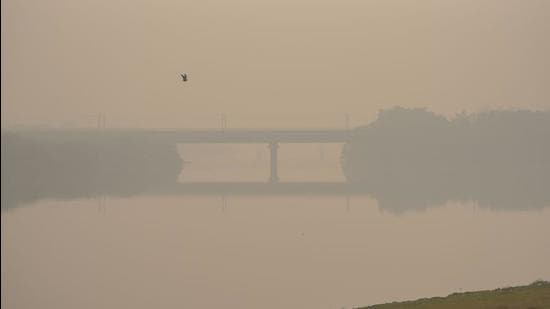
In an analysis released by the System of Air Quality of Weather Forecasting And Research (Safar) on Thursday, Delhi recorded a total of 49 ‘good’ air days – when the 24-hour average PM 2.5 concentration was below 30 micrograms per cubic metre, according to Safar’s air quality index. According to the agency’s data, the city recorded 130 satisfactory air days, where the concentration of PM.5 was between 31 and 60 micrograms per cubic metre.
PM 2.5 (particulate matter of 2.5 microns) and PM10 are the primary air pollutants in Delhi.
To be sure, according to the Central Pollution Control Board’s (CPCB) air quality index, which takes into account particulate matter and gaseous pollutants, Delhi recorded only one good air day (AQI between 0-50) on October 18 this year. The city recorded AQI of 46 that day. Before this, Delhi saw a good air day on August 31, 2020 (AQI 41), the CPCB data shows.
According to Safar’s analysis, Delhi met the ambient air standards for 193 days (51 good and 142 satisfactory days) last year. Delhi saw its cleanest year last year due to Covid-19 induced lockdowns bringing activities to a halt in 2020, the agency said.
{{/usCountry}}According to Safar’s analysis, Delhi met the ambient air standards for 193 days (51 good and 142 satisfactory days) last year. Delhi saw its cleanest year last year due to Covid-19 induced lockdowns bringing activities to a halt in 2020, the agency said.
{{/usCountry}}Safar’s analysis also showed that there were 12 severe air days this year – when the PM 2.5 concentration was over 250 micrograms per cubic metre for a 24-hour period, with another 77 very poor days recorded, when the PM 2.5 concentration was between 121 and 250 micrograms per cubic metre.
According to CPCB AQI data, Delhi recorded 18 severe air days (AQI between 401-500) only between November 1-December 30.
Gufran Beig, founder project director at Safar, said the trend over the last four years shows that Delhi has had a relatively cleaner year as compared to 2018 and 2019, with 2020 being an exception due to the lockdown.
“Data from the last four year shows 2020 is the cleanest year, but we also had a national lockdown in place for long durations. After last year, 2021 has been the cleanest in terms of good and satisfactory days. This year, the good air spell mostly came during the monsoon period, when rains kept Delhi’s air quality in check. We also saw a good prolonged spell of satisfactory air in summer,” said Beig.
Anumita Roychowdhury, executive director, research and advocacy at the Centre for Science and Environment (CSE) said long-term trend for Delhi over the last five years has shown an increase in the number of good, satisfactory and moderate days, but Delhi is still unable to get rid of winter smog. “We are still recording similar number of severe air days, which build up during November and December. This shows that the background emissions are fairly high, and as soon as the wind speeds or temperatures drop, we see an episodic event in winters. This requires greater action to tackle sources of pollution not just in Delhi but in the 24 districts of NCR,” she said.
Stay updated with all top Cities including, Bengaluru, Delhi, Mumbai and more across India. Stay informed on the latest happenings in World News along with Delhi Election 2025 and Delhi Election Result 2025 Live, New Delhi Election Result Live, Kalkaji Election Result Live at Hindustan Times.
Stay updated with all top Cities including, Bengaluru, Delhi, Mumbai and more across India. Stay informed on the latest happenings in World News along with Delhi Election 2025 and Delhi Election Result 2025 Live, New Delhi Election Result Live, Kalkaji Election Result Live at Hindustan Times.