New Delhi: Lyricist and poet Javed Akhtar, one of the petitioners at whose instance the Supreme Court ordered an investigation into 17 cases of alleged fake encounters in Gujarat between 2002 and 2006, on Wednesday expressed his acceptance to a committee’s report, which held that majority of these encounters were genuine but three of them required trials of policemen under murder charge.
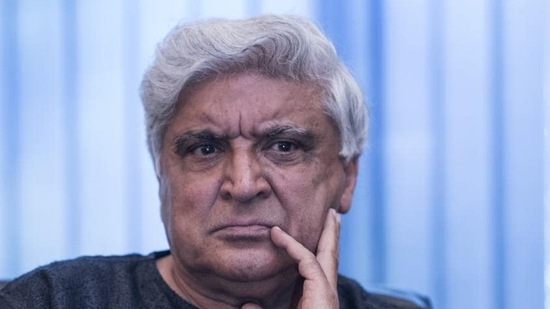
Appearing through his lawyer before a bench led by justice Sanjay Kishan Kaul, Akhtar gave his acceptance to the Justice HS Bedi Committee report, which concluded that three out of 17 encounters investigated by the special task force (STF) under the orders of the apex court, were prima facie fake.
“The committee has found cases of fake encounters only in three cases. We have accepted the report,” advocate Suroor Mander, representing Akhtar, submitted before the bench, which also comprised justices AS Oka and JB Pardiwala.
Acting on the petitions filed separately by journalist BG Verghese (who passed away in 2014) and Akhtar in 2007, the apex court in 2012 appointed justice Bedi to head the monitoring committee for overseeing the investigations by STF into instances of alleged fake encounters in Gujarat.
In his final report, justice Bedi, a former top court judge, approved majority of the 17 encounters probed by STF while recommending prosecution of police officials involved in three cases. The report said three people -- Sameer Khan, Kasam Jafar and Haji Ismail -- were prime facie killed in fake encounters by the Gujarat Police officials. For this, the committee indicted a total of nine police officers, including three inspector rank officers. It, however, did not recommend prosecution of any IPS officer in these cases, nor did it state anything on the involvement of any political functionary in the incidents.
{{/usCountry}}In his final report, justice Bedi, a former top court judge, approved majority of the 17 encounters probed by STF while recommending prosecution of police officials involved in three cases. The report said three people -- Sameer Khan, Kasam Jafar and Haji Ismail -- were prime facie killed in fake encounters by the Gujarat Police officials. For this, the committee indicted a total of nine police officers, including three inspector rank officers. It, however, did not recommend prosecution of any IPS officer in these cases, nor did it state anything on the involvement of any political functionary in the incidents.
{{/usCountry}}In January 2019, the top court had ordered the report to be shared with the petitioners while clarifying that it was “neither accepting nor rejecting the 221-page report of the committee at this stage”.
As the bench took up the petitions on Wednesday, advocate Rajat Nair, appearing for the Gujarat government, submitted that the state required to peruse the documents on the basis of which the Justice Bedi Committee had arrived at the findings. He also raised the question of “selective public interest” by Akhtar, contending that a particular state was sought to be maligned in the guise of a clamour of fake encounters.
Akhtar’s lawyer Mander, on the other hand, expressed satisfaction with the final report of the committee. At this point, senior counsel Mukul Rohatgi and Maninder Singh appeared on behalf of a few police officers recommended for prosecution by the committee. They urged the court not to accept the report, arguing they will point out the “grave errors” in it after they are also supplied all the documents.
To this, the court observed that “ultimately, the issue seems to now resolve around three encounters”. It then directed that the state government will be provided all the documents relied upon by the Justice Bedi committee in preparing the final report, and adjourned the case to February 15.
To be sure, the Supreme Court is yet to give its imprimatur to the Justice Bedi Committee report, and is still examining the future course of action.