
 E-Paper



Lowest Covid-19 cases in Delhi since April 5, but deaths still high
According to the government’s daily health bulletin, the new cases were 8.42% of the total samples tested over Sunday. There were also 340 more fatalities due to the disease in the 24-hour period.


With 4,524 new cases, Delhi added the lowest numbers to its Covid-19 tally since April 5 as the outbreak continued to recede, a trend also borne out by a sustained fall in the test positivity rate.
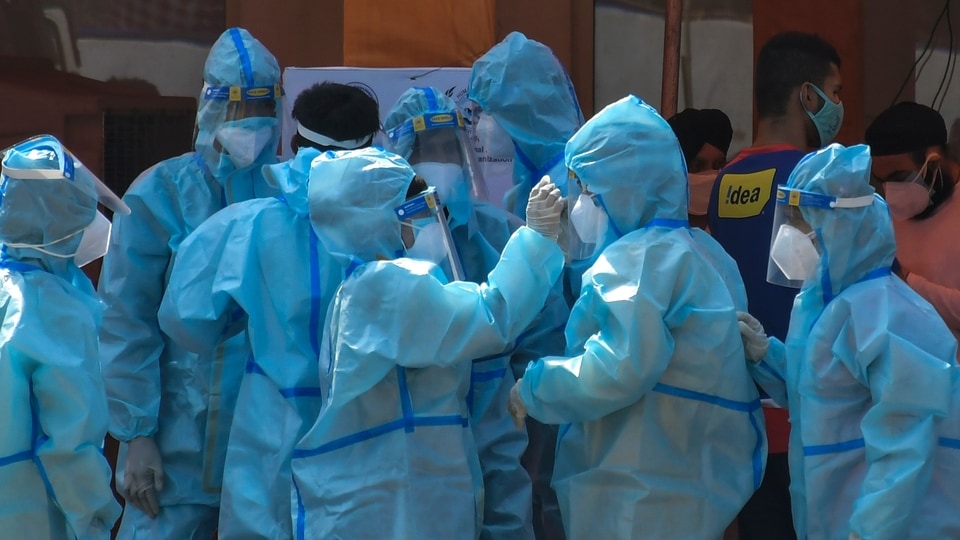
According to the government’s daily health bulletin, the new cases were 8.42% of the total samples tested over Sunday. There were also 340 more fatalities due to the disease in the 24-hour period.
In all, 53,700 tests were conducted and while these were lower than weekday testing as they typically are, this was still the lowest positivity rate in five Sundays. In the last fortnight alone, the test positivity rate has fallen by 18.27 percentage points while the number of new cases on average has shrunk by 62%.
At its peak, Delhi recorded 28,895 on April 20, a day after the city went into a lockdown. The restrictions were extended several times and tightened to halt Metro rail services on May 9. It was extended again on May 17 and will now remain in place till at least the morning of May 25.
Experts warn that as the infection numbers fall, fatalities are likely to rise as people currently in hospital either recover or succumb. “There is likely to be another sudden increase in the number of deaths in the city before it starts going down as was the case of Maharashtra. This is because the very sick patients continue to be in the intensive care unit and some of them will die in the coming days,” said Dr Sumit Ray, critical care specialist and medical superintendent, Holy Family Hospital.
“The mortality in the initial phase of the second wave was higher because the hospitals were overwhelmed by the sheer number of patients. The doctors, nurses and staff did not have the time to monitor each of the patients throughout as there were patients crashing all the time,” he added.
On April 5, the last time new cases were at this level, 64,003 tests were conducted but most of the deficit between the testing on that Sunday and the latest is in the number of antigen tests that are typically less accurate.
The positivity rate in the city rose to a peak of over 36% on April 22, which meant one in every third person who got a test was found to be infected. Soon, this translated into an unprecedented rush at hospitals, where many succumbed without help reaching to them on time.
The crush of patients also led to a surge in oxygen demand, for which citizens, hospitals and even ministers took to social media to appeal for help.
“The positivity rate has been reducing from the highest 36%, this is a positive sign but we cannot get comfortable. We can’t rest till the positivity rate drops below 5% and the number of new cases below three or four thousand. The reversal of the trend began in April last week,” Delhi health minister Satyendar Jain said last week.
The decrease in the number of new cases in Delhi has meant the case fatality ratio (CFR) – the proportion of deaths among those who test positive for the infection -- has started increasing. The seven-day rolling average CFR on Monday crossed the 3% mark.


Stay updated with all top Cities including, Bengaluru, Delhi, Mumbai and more across India. Stay informed on the latest happenings in World News along with Delhi Election 2025 and Delhi Election Result 2025 Live, New Delhi Election Result Live, Kalkaji Election Result Live at Hindustan Times.


