E-Paper



G20 Summit: Tunnel to stay shut for buses, goods vehicles
The Pragati Maidan tunnel in Delhi will be partially closed during the upcoming G20 Summit, with certain sections reserved for VIP delegates. The tunnel will be shut for buses and heavy vehicles, but open for private vehicles. The tunnel has been designed to handle heavy rainfall and has multiple drainage points to prevent flooding. Water from the tunnel will be collected and pumped into the Yamuna River.


The two entries and exits of the Pragati Maidan tunnel — connecting Bharat Mandapam directly — will be used by the ancillary staff of the delegates attending the upcoming G20 Summit from September 9-10, according to the Delhi Traffic Police. The officials said that the particular sections of the Pragati Maidan tunnel will lead directly to the parking area at Bharat Mandapam and further towards the front porch of the main G20 venue.
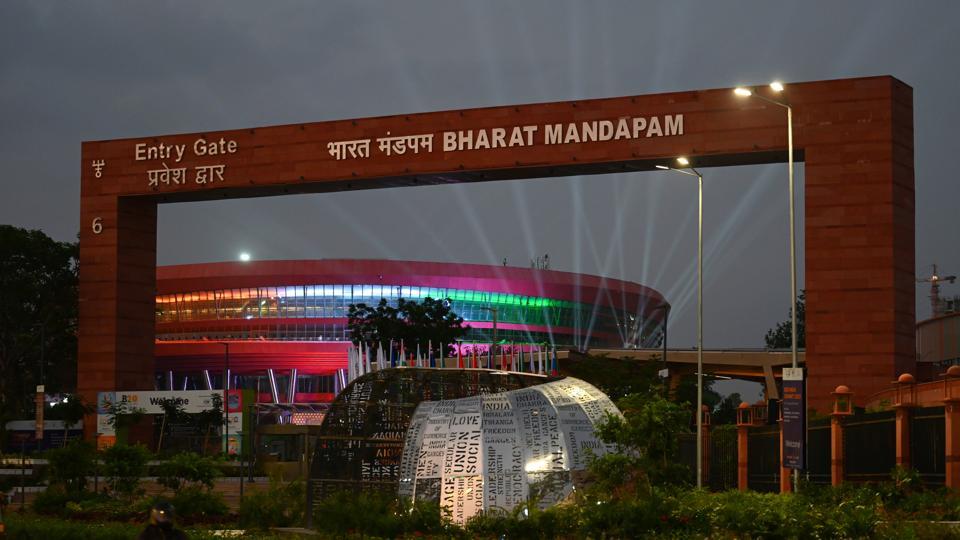
The rest of the tunnel —from Purana Qila to Pragati Maidan — will be shut for all buses, and heavy and commercial goods vehicles, from midnight on September 7-10, traffic officials aware of the matter said on Friday. However, these will remain open for private vehicles during the summit.
The Bharat Mandapam section of the tunnel will be used by the staff of VIP delegates who will leave their hotels in parts of central Delhi and reach the venue within minutes on the summit day, officials said.
The Pragati Maidan tunnel that caters to a large volume of traffic between central, east and southeast Delhi areas was inaugurated by Prime Minister Narendra Modi in June ahead of the preparation for the summit. The two entries for the main venue are from Ring Road and Mathura Road, leading to the basement parking and the two exits from the venue will lead to Ring Road and Purana Qila.
“We will deploy officials along the entire route and movement of traffic through the tunnel will be restricted from September 8-10. It is advised that people use alternate routes during the summit days as most of the area will have restrictions,” said SS Yadav, special commissioner of police (traffic).
Meanwhile, Public Works Department (PWD) officials said that after the recent flooding because of which it remained shut for five days, the tunnel has been desilted and the drainage network has been checked multiple times.
Officials said that the design of the tunnel has been prepared keeping in mind high rainfall and is unlikely to be flooded unless wastewater is pumped from outside, which was done during the recent Delhi floods. However, mobile truck-mounted pumps will be kept on standby to ensure no waterlogging in the tunnel even during heavy rainfall, officials said.
“The tunnel has a large design capacity and can handle much waterlogging. It is designed with seven high-capacity sumps fixed with automatic pumps along it for drainage that can handle heavy rainfall for over the next 100 years. The design was prepared based on rainfall data from the past 15 decades,” said a PWD official, requesting anonymity.
Officials added that all seven sumps of different sizes have the capacity to drain around 950 litres per second of water, the largest one having a capacity of 409 litres per second.
“There are large-capacity bigger sumps at some entry/exit points and the smaller sumps are located near the underground sections of the tunnel. It is designed to be able to drain out excess water in minutes,” added the PWD official.
Lieutenant governor VK Saxena, on Thursday, said that the water from the tunnel will get collected in 1000-litre reservoirs, from where it will be collected in 50,000-litre reservoirs and will finally pumped into ITO drain 12 for discharge into the Yamuna.