E-Paper



Smriti Van pond has high pollution: Delhi Pollution Control Committee
DPCC found high pollution levels in Delhi's Machchli Talab due to sewage inflow, urging DDA and DJB to take corrective actions for water quality.

 Prefer HTon Google


The Delhi Pollution Control Committee (DPCC) has said it has found high pollution levels at the Machchli Talab — a pond located in Smriti Van, Vasant Kunj — likely due to the inflow of sewage, and has issued notice to the Delhi Development Authority (DDA) and the Delhi Jal Board (DJB) to take corrective action.
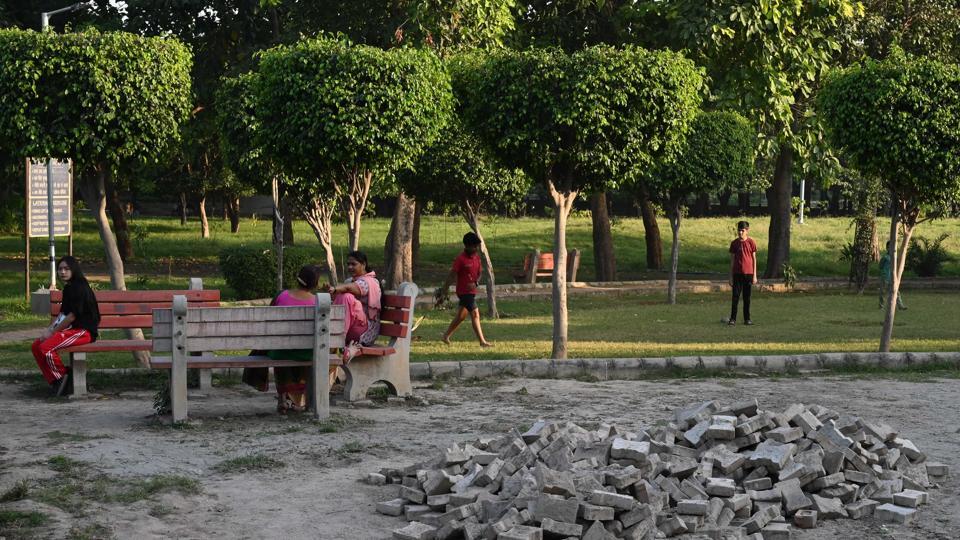
DPCC, which submitted a report of its findings to the National Green Tribunal (NGT) on Monday, said it carried out a physical inspection of Smriti Van on July 24, where it collected samples of the treated sewage treatment plant (STP) water and the pond, and found high levels of ammoniacal nitrogen and zero dissolved oxygen. Further, DPCC officials noticed a drain parallel to the water body, through which untreated sewage was directly entering the pond.
“DJB officials informed during the inspection that the capacity of plant is not sufficient to treat whole waste water that is coming from outside into the Smriti Van,” said the report, dated September 4.
Smriti Van—part of the south-central Ridge, is spread over an area of 34.51 acres. The forest is situated between Sector A-Pocket B and C in Vasant Kunj and falls under DDA’s jurisdiction, similar to Sanjay Van. DJB, meanwhile, maintains and runs the STP.
The DPCC report came in response to a plea filed by a resident in NGT, who alleged that large parts of the Smriti Van had been concretised, in violation of the Forest Conservation Act, 1980. NGT had subsequently also sought details of the water body and its status.
In its submission to NGT, DPCC said an analysis of the STP water, collected at the outlet, revealed it does not meet the desired standards. “It is observed that the parameters namely TSS (total suspended solids) is 42 mg/1 (prescribed standard-10), BOD (biochemical oxygen demand) is 25mg/1 (prescribed standard-10) and COD (chemical oxygen amount) is 84 mg/1 (prescribed standard-50) are not meeting the prescribed standards which indicates that the STP is not working properly,” said the report.
Each of these parameters should be 10 mg/l or less, according to the Central Pollution Control Board.
The pollution body further said the results of the water collected from the pond revealed that it could not sustain aquatic life, as dissolved oxygen was nil and ammoniacal nitrogen was “beyond permissible limits”.
“The Dissolved Oxygen and Ammoniacal Nitrogen of pond water were not meeting the prescribed standards as per the analysis report, despite a functional STP. During the inspection dated July 24, untreated sewage was being directly discharged into the pond through drain laid parallel to outlet of STP,” the report said, adding that directions have been issued to both DDA and DJB to take corrective measures, including fixing the STP and ensuring sewage does not enter the pond.
RESPONSES OF DJB AND DDA