
 E-Paper



Taken steps to fix water leaks from metro stations in Delhi: DMRC to NGT
DMRC has resolved water leakage issues by relocating downtake pipes to road medians, preventing waterlogging and enhancing rainwater management.

 Prefer HTon Google


The Delhi Metro Rail Corporation (DMRC) told the National Green Tribunal (NGT) that it has fixed the issue of water leaking from its structures onto the roads. It did this by moving all downtake pipes to central medians of roads. DMRC also said that it added 110mm storage areas in the road medians to collect water and prevent waterlogging on roads.
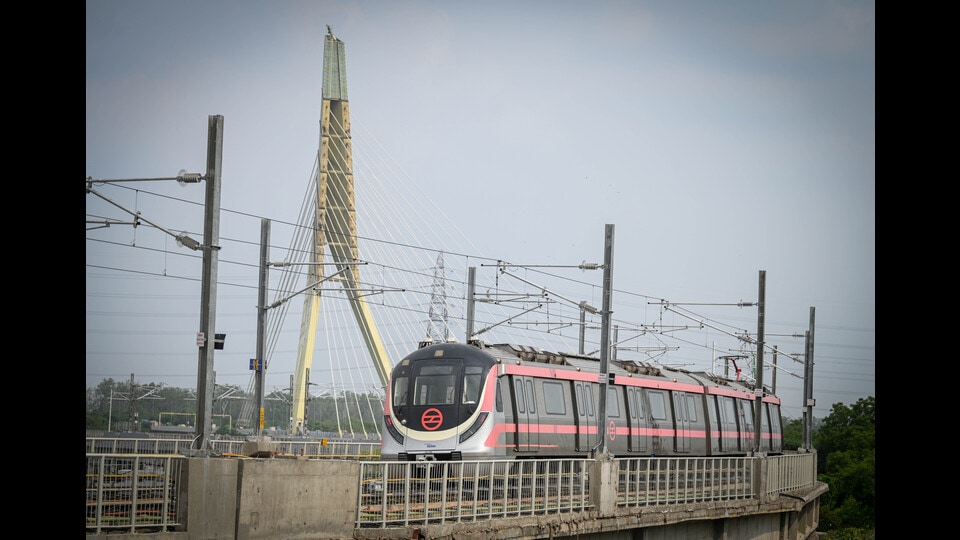
The Delhi Metro was responding to a plea filed in April 2022 by Delhi resident Harpal Singh Rana, which had alleged that rainwater is allowed to flow down metro pillars at several places, often leading to waterlogging and traffic snarls. Rana had sought efficient use of the rainwater.
NGT in July 2023 had constituted a technical committee – comprising representatives of the Public Works Department, Municipal Corporation of Delhi, DMRC and Delhi Pollution Control Committee, to prepare a technical report on ways to reuse the leaking water for plantation or recharging the groundwater table. DMRC in February last year had said it had identified 961 viaduct spans across its network where outlet water pipes will be connected to the central median and essentially to the ground to recharge groundwater.
In its latest submission, DMRC said this exercise was now complete, with no downward pipes now directly opening on the roads below.
“DMRC has followed the directions of the Tribunal dated May 16, 2024 and completed the work of shifting the downtake pipes, which were earlier on the road side, towards the central median,” said the submission, dated July 31, adding that small pits of 110mm depth were created wherever feasible.
DMRC added that additional rainwater harvesting pits (RWH) were no longer required as the 110mm depth pits were sufficient for storing the average run-off during a spell of rain.
“It is submitted that from the construction of Phase 3 onwards, RWH pits are constructed at each possible location. It is submitted that before the construction of DMRC structures, rainwater was falling on the road and flowing into the side drains. Now, rainwater is falling on the metro structure, then it goes in the median through downtake pipes and after percolation in the subsoil, excess water, if any, goes into the side drains. Accordingly, it is submitted that DMRC is not contributing to water logging on the roads, which generally occur due to blockage in the side drains,” it added.
In February last year, DMRC had said it had allocated a budget of ₹89.5 lakh for this exercise. It had said all stations being built in Phase 4 had RWH as part of the station design.
DMRC operates a 394km network in the Delhi-National Capital Region, which consists of 289 stations. There are 12 Metro lines operational in the region, which includes the Rapid Metro in Gurugram, Airport Express Line and Aqua Line (Noida-Greater Noida).


Stay updated with all top Cities including, Bengaluru, Delhi, Mumbai and more across India. Stay informed on the latest happenings in World News along with Delhi Election 2025 and Delhi Election Result 2025 Live, New Delhi Election Result Live, Kalkaji Election Result Live at Hindustan Times.


