
 E-Paper



Festival of sacrifice draws celebrants from Nepal to UP villages
Security has been tightened on the border after Article 370 was nullified as well as tension prevailing in Jammu and Kashmir.


Basit Ali, a native of Kalidah village in Nepal’s Rupandehi, crosses the border each year to visit his ancestral village Basalatpur in Uttar Pradesh’s Siddharth Nagar district on the occasion of Eid-Al-Azha (Bakrid).
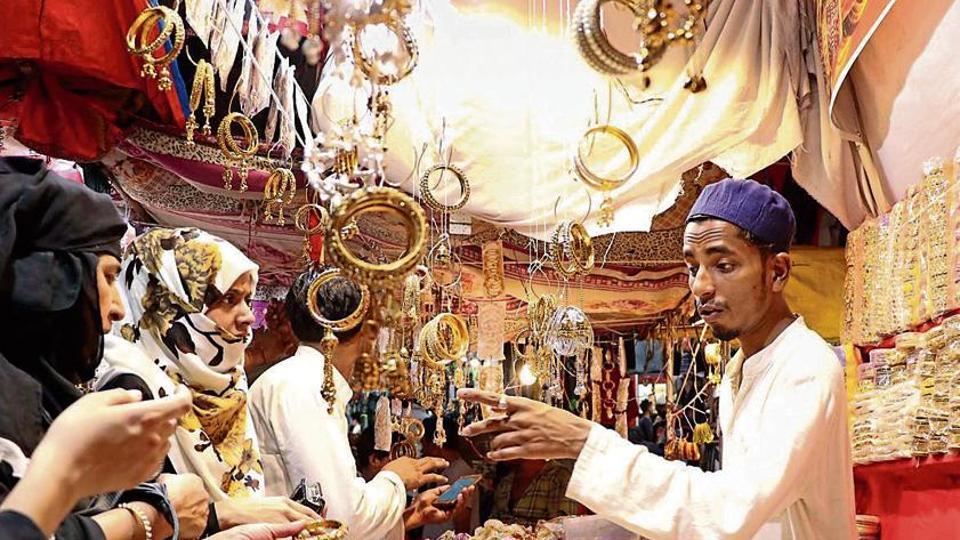
Bakrid is also an occasion for Ali to meet his relatives. The village is in the grip of festivity. “As per Islamic tradition, Muslims will sacrifice goat and have a joint meal under a huge canopy in the village,” he said.
Unlike the India-Pakistan border, the India- Nepal border is open and people can cross it freely. There is no restriction on staying in the town and villages located either side of the border. People were permitted to transport edible items and articles required for daily use, Ali said.
But security has been tightened on the border after Article 370 was nullified as well as tension prevailing in Jammu and Kashmir. There is no prohibition on the movement of people and transportation of goods across the border. Sashastra Seema Bal (SSB) jawans and local police deployed on the border were directed to frisk suspicious people and check their baggage at barriers on the border, said a police officer posted at Krishna Nagar on the India- Nepal border.
Ali is not alone. Dr Nazir Ahmed, resident of Chakarchauda village in Kapilvastu district in Nepal, has also arrived in his ancestral village Aamari in Siddharth Nagar district to celebrate Bakrid.
“I have come with my family to celebrate the festival with relatives. It’s an occasion to strengthen old bonds and tell children about their roots in Uttar Pradesh,” Ahmed said.
In neighbouring Maharajganj district, the scene is no different. Here, Tariq Rehman, resident of Bankata village in Kapilvastu district, has arrived in Pipra village located near Nautanwa town for the festival.
He arrived in the village on Friday to offer namaz in the local mosque and visited the cattle market organized near Pharenda town to purchase a goat for sacrifice on Monday, Rehman said.
Aafsar Siddiqui, the head of Kamhaira village, said a majority of the people who migrated to Nepal from the bordering districts had close ties to both India and Nepal. They are here during the festival, as well as during the Lok Sabha, assembly and panchayat election to exercise their franchise.
Both the Muslim and Hindu community celebrate the festival in harmony and there were no reports of communal tension in the area, he said.


