
 E-Paper



Rajasthan wants 50% quota cap to be removed, some other states also agree
On March 3, the Supreme Court had sought responses from the state governments on whether they were in favour of extending caste-based reservation beyond the 50 per cent ceiling.

 Prefer HTon Google


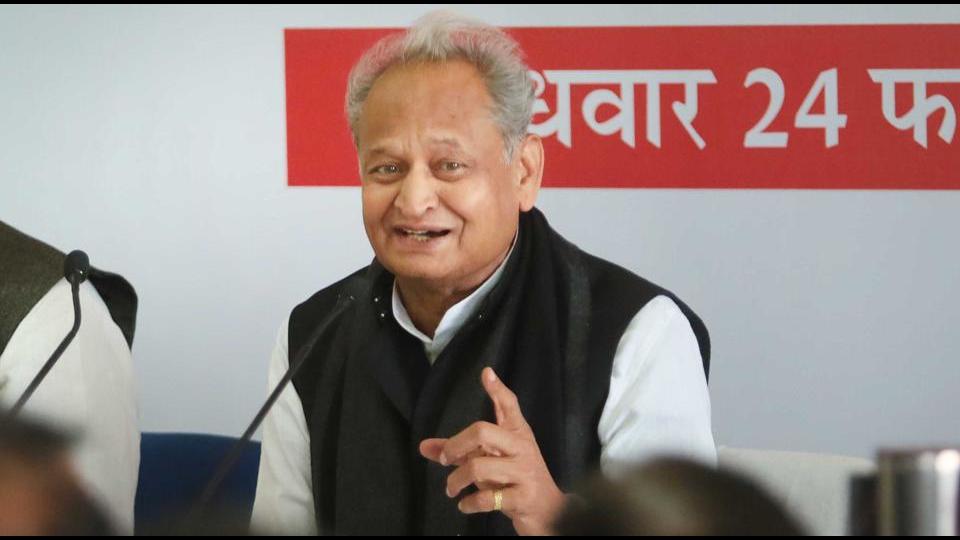
The Rajasthan government would ask the Supreme Court to remove the 50 per cent cap on reservation, an official statement issued on Monday said, making it the first state to say so. Many other states are in the favour of removing the cap as well.
On March 3, the Supreme Court had sought responses from the state governments on whether they were in favour of extending caste-based reservation beyond the 50 per cent ceiling set by the Supreme Court in a nine-judge bench ruling given in 1992, famously known as the Indra Sawhney case.
Although the order was in the case related to 16 per cent reservation to Marathas under the Other Backward Classes category, the top court wanted to know the views of the states as the states have been repeatedly trying to extend reservation beyond 50 per cent and have brought legislations in the state assemblies.
“The (Rajasthan) cabinet expressed its opinion that in the Indira Sawhney case of 1992, there is a need to reconsider the 50 per cent limit decision for reservation,” a statement said. Rajasthan is the first state to take a call on the apex court’s order.
The statement said that after the 102nd Constitutional Amendment, which gave constitutional status to the National Commission for Backward Classes and mandates to suggest the castes that need to get the reservation, the legislative powers of the states has been curtailed.
Also read: BJP corners Gehlot govt on phone tapping; demands resignation, CBI probe
“The states can provide reservation under OBC category only if approved by the NCBC,” said a Rajasthan government official, explaining how their legislative powers have been curtailed.
Maharashtra government is also in favour of removing the reservation cap. State public works minister Ashok Chavan, who also heads the cabinet sub-committee on Maratha reservation, said we welcome the SC order and would demand the removal of the cap.
“We had requested that the opinion from the states be sought as their petitions related to the reservation in government jobs and education is pending before courts. We also want that reservation power of the states, taken away by the 102nd amendment to the Constitution by the Central government, is restored,” Chavan said.
A Chhattisgarh government official, aware of the discussions on the SC order within the government, said that the state government wants the cap to be removed and reservation to be given on the population ratio of each caste.
“That is why the government had announced a 27 per cent reservation for OBC and 10 per cent for the poor families of the upper class. But this decision was challenged in the HC and the court has asked the government to provide quantifiable data. The government has constituted a Commission for Quantifiable Data, which is doing its work,” the official said.
Bihar government is yet to file any response on the information sought by the Supreme Court, said state Advocate General Lalit Kishore. “The matter is still under the process of discussion and study,” he added. However, a government official aware of the developments said that the state government is of the view that the cap should be removed and would be filing a detailed response to the SC soon.
Former Bihar minister and Janata Dal (United) leader Neeraj Kumar said that the reservation facility should be aimed at improving the socio-economic conditions of the marginalised as per the caste-based census. “I hope that the state government would accommodate views of every section of the society while sending its report,” said Kumar.
Punjab government officials said that they are yet to discuss the 50 per cent reservation cap and SC order with chief minister Amarinder Singh to take a call on the issue. The Tamil Nadu and Kerala governments have not discussed the issue as the ruling party leaders are busy with the upcoming state assembly elections, officials in the two states said.
Former Rajasthan High Court judge, Pana Chand Jain, said seven states have crossed the 50 per cent cap on reservations and others also want to join the bandwagon for political gains.
“The main motive behind the increase in this cap is to get votes and not social justice for which the reservation has been provided in the Constitution,” he said.
He said that tampering with the 50 per cent limit would affect the quality of administration across the states.
Jaipur based Dalit rights activist Bhanwar Meghwanshi said there is scientific logic behind the 50 per cent cap and it has been dealt with in the Indra Sawhney case. “I don’t agree with the state government’s view,” he said.
In the Indra Sawhney case in 1992, the Supreme Court removed the 27 per cent quota for other backward classes (OBC) by excluding the creamy layer and imposed a 50 per cent limit.
“The questions which we propose to consider are whether the judgment in case of Indra Sawhney v. Union of India (1992) needs to be referred to a larger bench or require re-look by the larger bench in the light of subsequent constitutional amendments, judgments and changed social dynamics of the society,” the SC said on March 3.


